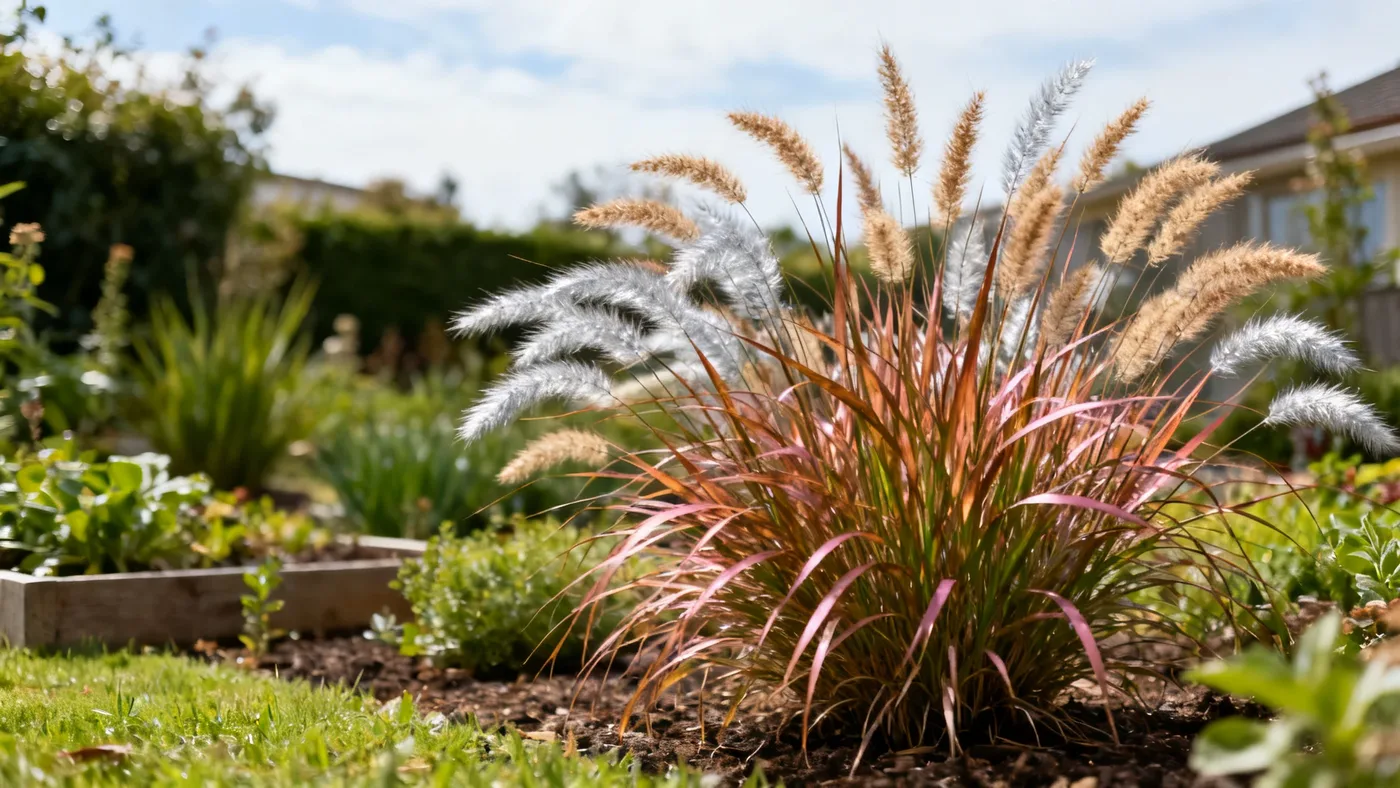
Dwarf Maiden Grass Fall Color: What to Expect in Autumn
Right now, as we move into late September and early October, Dwarf Maiden Grass is hitting the stage it was born for. While the rest of your garden may be winding down, this compact ornamental deserves a front-row seat to show off its most dramatic transformation. Fall is when Dwarf Maiden Grass shines brightest. Understanding what unfolds in autumn helps you plant it in the right spot and know what to look for as the season shifts.
When Fall Color Begins: The Timeline
Dwarf Maiden Grass doesn't wait for hard frost to turn. Foliage begins its shift in late August or early September, depending on your zone. The fine, arching green blades gradually deepen and warm up. By mid-to-late September, you'll notice the clump has moved from spring-summer green into golden tan and bronze tones. This transition is gradual, not sudden, which means your garden will have weeks of this warm palette rather than a brief flash.
The exact timing depends on your location. In Zone 5, the shift may start earlier than in Zone 9. Temperatures, moisture, and sun exposure all nudge the timing slightly. What's consistent across zones is that Dwarf Maiden Grass responds to cooling nights and shorter days. The dwarfer cultivars, like 'Adagio' and 'Yaku Jima' (the ones typically sold under the "Dwarf Maiden Grass" trade name), bloom earlier than their full-size cousins and color up earlier too, often by August or early September in many zones.
The Color Palette: Golden Tan to Bronze
Expect your clump to display shades of golden tan and bronze by fall. The foliage doesn't turn bright red or crimson like a maple. Instead, it moves into warm, earthy territory. Think of dried wheat, honey, or burnished leather. The color feels sophisticated and pairs beautifully with other fall bloomers like asters, Rudbeckia, and Sedum. If you've planted Dwarf Maiden Grass in a mass or as a focal point, this warm tone pulls the eye and anchors the surrounding bed.
Bronze undertones may appear, especially on the outer edges of the clump where sun hits more directly. Some cultivars lean warmer (more golden) while others show deeper bronze notes. Foliage held lower in the clump, in shadier parts, may stay greener longer or display muted gold. This natural variation within the clump adds visual texture and depth, something that looks far more interesting than a flat, uniform color.
The Blooms: Plumes That Peak in Fall
Late summer is when Dwarf Maiden Grass erupts into flower. Blooming typically runs from roughly August through October, earlier than standard-size Miscanthus. The plumes emerge as coppery-pink and gradually fade to silvery-white, then eventually to buff or tan by late fall. This color shift in the plumes themselves adds another layer of visual interest across weeks.
The height at bloom is important to picture. The foliage sits at 3 to 4 feet, but with plumes fully extended, the clump reaches 4 to 5 feet tall. That extra plume height means the flowering display rises well above surrounding perennials, catching light and attention. On a sunny fall afternoon, those plumes practically glow. This is why full sun is the sweet spot for Dwarf Maiden Grass in autumn. Shade weakens the flowering and dulls the foliage color, so if you've got a choice of spots, don't settle for part shade in hopes of an equally dramatic fall show.
By mid-October, the plumes have moved from coppery-pink to soft silver or buff. They catch the slant of late-season sun and hold moisture from dew and light rain, which is photogenic and part of why dwarf maiden grass fall color photographs so well on autumn garden tours. The plumes dry but hold their structure through winter, provided you follow the right pruning schedule.
Winter Interest and Beyond
Here's where Dwarf Maiden Grass becomes a true winter asset. The dried plumes and tan foliage persist through winter and into early spring. This isn't a bug; it's a feature. The clump provides visual structure on gray days, winter texture against snow, and evergreen-like presence in the dormant landscape. Birds also use the dried foliage and seed heads for cover and nesting material, adding wildlife value to your garden when other plants have vanished.
The winter interest is strong enough that many gardeners leave the clump uncut through the cold months. This strategy works as long as you prune it back at the right time. Unlike some ornamental grasses that get leggy or ragged if left too long, Dwarf Maiden Grass holds its form well. The 3-to-4-foot clump remains architecturally interesting from November through early spring.
A note on timing: Don't cut back your Dwarf Maiden Grass in fall. Wait until late winter or very early spring, before new growth emerges. Cut the entire clump back to 4 to 6 inches above ground. Cutting too early strips away the fall and winter ornamental value and can expose tender new shoots to hard freezes. If you live in a milder zone like 8 or 9, the grass may not be fully dormant, so watch for green at the base before pruning.
Why Dwarf Maiden Grass Fall Color Matters Now
Autumn is a critical time to assess or plan your ornamental grass plantings. If you're shopping for fall-interest perennials this month, Dwarf Maiden Grass is at its absolute best. Seeing it in person, in bloom, with color-shifted foliage, gives you a true sense of what it will deliver year after year. Many nurseries move mature specimens to high-traffic areas in late summer and early fall specifically because this is when the plant earns its place in the landscape.
Planting timing is another consideration. Fall planting is possible in milder zones (8 or 9), though spring after the last frost is generally preferred. If you're in Zone 5, 6, or 7 and spot a fantastic blooming specimen in a nursery right now, you can purchase it and hold it over winter (keep it watered in a sheltered spot or in a cold frame) for spring planting. Spring planting gives the roots the whole growing season to establish before winter stress arrives.
Companion Planting for Fall Impact
The golden tan and bronze of Dwarf Maiden Grass fall color pairs beautifully with nearby perennials. Deep purple or burgundy foliage (like some Sedum cultivars) contrasts sharply. Late bloomers like asters and Echinacea echo the warm earth tones while their final flowers add additional texture. Grasses like Panicum (switchgrass) bloom and color up around the same time, so clustering them creates a cohesive fall display.
If your clump is a focal point, plant lower-growing companions at its base. This accentuates the height and lets the plumes read as a distinct architectural element. Avoid tall companions that might hide the lower foliage color or block the plume display from view.
Common Fall Questions
Can I cut fresh plumes for indoor arrangements? Yes, but cut them early, in late August or early September, before they've fully matured, and seal the cut ends with clear nail polish or floral sealer to prevent shedding indoors. Once fully dried on the plant, they shed more readily.
Will the clump split or flop open in fall? Dwarf Maiden Grass is stockier than its full-size cousins and far less prone to flopping. However, overly rich or fertile soil and part shade can cause looser habit and potential splaying. Make sure your plant is in full sun and avoid excessive nitrogen fertilizer.
What if my clump is still mostly green in October? This is normal in Zone 8 or 9 and milder areas. The growing season is longer, so color shifts later. If you're in a northern zone and the clump is still green by mid-October, check that it's getting at least 6 hours of direct sun daily.
Next Steps: Care Through Transition
As fall progresses, water less frequently unless you're in a drought. The clump needs moisture to establish, but once mature, after the first full growing season, Dwarf Maiden Grass has high drought tolerance. Early fall is a good time to divide a clump if it's sprawling or if you want to propagate. Division is best done in early spring, but a healthy established clump can tolerate division in early fall in milder zones.
For detailed year-round care, including exact watering schedules and fertilizer rates, refer to the Dwarf Maiden Grass care guide.
Quick Reference: Fall and Winter Timeline
| Timing | What to Expect | What to Do |
|---|---|---|
| Late Aug–Early Sept | Blooms emerge; foliage begins warming | Water regularly if dry; do not prune |
| Mid Sept–Early Oct | Golden tan and bronze foliage peak; plumes shift to silver/buff | Enjoy the display; photograph for records |
| Late Oct–Nov | Plumes and foliage dried but persistent; strong winter structure | Leave standing for winter interest and wildlife |
| Dec–Feb (Zone 5-7) | Dormant; dried clump remains intact | Do not prune; leave for winter architecture |
| Late Winter/Early Spring | New green shoots emerge at base | Cut entire clump to 4 to 6 inches above ground before growth takes off |