20 Dwarf Maiden Grass Landscape Ideas and Companion Plants
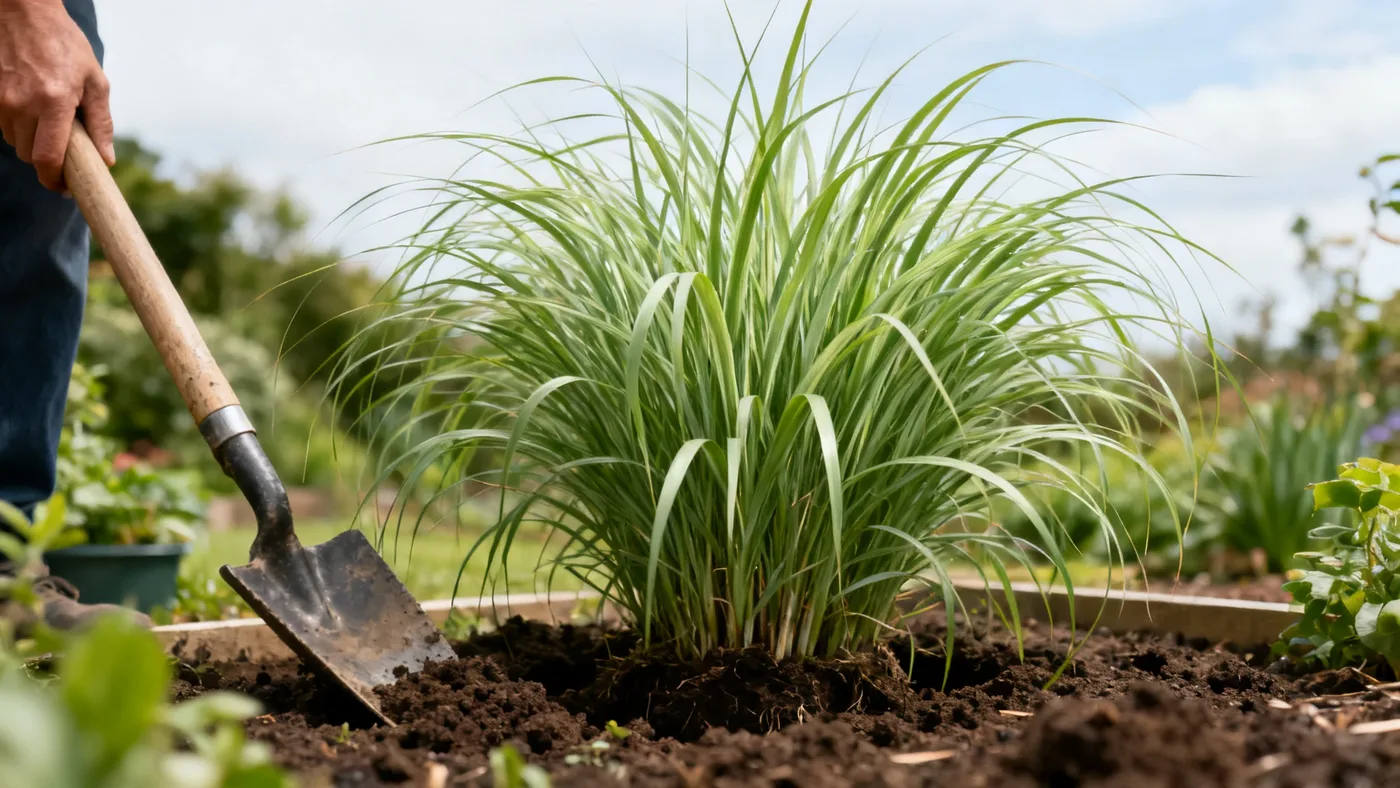
Dwarf Maiden Grass (Miscanthus sinensis dwarf cultivar) brings year-round structure and seasonal drama to home gardens. At 3 to 4 feet tall in foliage and 4 to 5 feet including bloom plumes, this warm-season clump-forming grass fills a unique niche between ground-level perennials and tall structural plants. Its fine-textured arching blades turn golden tan to bronze in fall, and the coppery-pink to silvery-white plumes that emerge in late summer persist through winter. Pairing it with the right companions and positioning in your landscape multiplies its visual impact and functional value. Here are 20 proven ways to use dwarf maiden grass in your garden.
1. Black-Eyed Susan Border Edging
Dwarf Maiden Grass serves as an elegant backdrop for Rudbeckia (black-eyed Susan), one of the plant facts' recommended companions. Plant the grass at 2 to 3 feet apart in a staggered line along a perennial bed, then mass Rudbeckia in the foreground. The fine grass texture contrasts sharply with the daisy-like flowers, and the dark-yellow blooms of Rudbeckia (typically June through September) bridge the gap before the grass plumes appear in August through October.
Rudbeckia thrive in full sun and average soil, matching dwarf maiden grass exactly, so watering and fertilizing schedules align. The combination needs minimal fussing once established (after the first growing season of regular water). This pairing works for fronting a shrub border, lining a driveway, or defining a kitchen garden's edge.
Practical takeaway: Plant Rudbeckia in clusters of 3 to 5 stems spaced 12 to 18 inches apart, with grass plants behind every other Rudbeckia grouping for rhythm.
2. Mass Planting for Visual Impact
A single dwarf maiden grass plant reaches 2 to 3 feet wide at maturity, but its full impact emerges in drifts. Groupings of 3, 5, or 7 plants (odd numbers feel most natural) create a cohesive wave of texture that anchors large foundation areas or separates garden rooms. Space plants 2 to 3 feet apart to allow each clump room to develop fully while creating visual unity once they mature in 2 to 3 seasons.
Mass plantings work especially well on slopes, where the arching form catches light and movement is amplified. In fall and winter, the dried plumes and tan foliage provide sustained interest, whereas single specimens can feel sparse during dormancy. A mass of dwarf maiden grass catches morning and evening light in ways scattered plantings cannot.
Practical takeaway: Order 3, 5, or 7 plants for a cohesive drift. Plan for them to fill space gradually over the first two growing seasons; do not overplant or crowd.
3. Specimen Focal Point in Mixed Borders
Position one well-sited dwarf maiden grass as a visual anchor in a mixed perennial bed. Its height (4 to 5 feet with plumes) gives the eye a natural stopping point, and its fountain-like form stands distinct from typical upright or mounding companions. Plant it where it catches afternoon sun and midday light, so plumes glow from within rather than appearing flat.
Surround the specimen with lower-growing companions like Sedum or Hylotelephium (stonecrop), which provide foreground color and texture without competing for attention. The grass's vertical reach and airy form prevent the planting from feeling cluttered, even in densely planted beds. Once plumes emerge in late summer, the specimen becomes a focal point from every angle in the garden.
Practical takeaway: Choose a specimen location visible from your patio or kitchen window, where you'll see it year-round. Site it where morning or afternoon backlighting is possible.
4. Large Container Feature for Patios
Dwarf Maiden Grass is well-suited to large patio containers, making it one of the few ornamental grasses that transitions between garden and hardscape seamlessly. Use a 12-inch or larger pot with drainage holes, and fill with quality potting soil mixed with compost. A single plant will reach full 2 to 3-foot width and 4-foot height (including plumes) within two growing seasons, creating an instant focal point for your deck or patio seating area.
Containerized grass demands consistent water through the growing season since pots dry faster than in-ground plantings. Water when the top inch of soil feels dry. In fall, the plumes and turning foliage make the container a showcase feature through October and November. In zones 5 to 6, move the container against a south-facing wall for winter, or mulch heavily over the soil surface to protect the crown.
Practical takeaway: Use a container at least 12 inches wide and deep. Water deeply twice weekly during hot spells; reduce once established (after one full season).
5. Informal Hedge or Low Screen
A row of dwarf maiden grass planted 2 to 3 feet apart creates a flexible, semi-transparent screen along property lines or garden edges. Unlike formal hedges, this living division looks soft and natural while still blocking sightlines when full. The grass reaches 3 to 4 feet tall, ideal for screening utility areas or softening views without towering over neighbors.
This screening approach is lower-maintenance than traditional hedges. No clipping required except for the annual late-winter cutback (reducing the clump to 4 to 6 inches above ground before new growth emerges). The persistent winter plumes and dried foliage maintain privacy and visual interest even after the growing season ends.
Practical takeaway: Space plants 2.5 feet apart for a denser screen, 3 feet apart for a more open look. Expect full effect by year two or three.
6. Sedum and Succulent Companion Planting
Pair dwarf maiden grass with Sedum or Hylotelephium for a long-season, low-water combination. Both plants love full sun and average, well-drained soil. Sedums bloom in late summer and fall (August through October), overlapping with grass plume emergence. Sedums often retain dried seed heads through winter, echoing the grass's persistent architecture.
This pairing suits xeriscape and dry-garden themes. Once established after one full growing season, both plants tolerate drought well. Plant Sedum in the foreground or mid-border in clusters of 5 to 7 stems spaced 12 to 18 inches apart, with grass plants offset behind. The contrast between succulent rosettes and fine grass texture is striking.
Practical takeaway: Choose upright Sedum varieties (like 'Autumn Joy') to echo the grass's vertical structure. Avoid low creeping Sedums, which get lost visually.
7. Coneflower and Pollinator Garden Hub
Echinacea (coneflower) is a listed companion plant that pairs beautifully with dwarf maiden grass while supporting pollinators. Purple, pink, or white coneflower blooms from June through September, and the dried seed heads persist through fall and winter. The stiff, upright form of Echinacea creates structural variety against the arching grass.
Plant coneflower 12 to 18 inches from your dwarf maiden grass clumps. Bees and butterflies visit both plants at different times; the grass attracts wind-pollinated activity while Echinacea feeds pollinators directly. Both plants are highly deer-resistant, making this combination ideal for gardens that attract browsing wildlife.
Practical takeaway: Deadhead coneflower flowers through summer to extend blooming, then leave seed heads standing in fall for pollinators and birds.
8. Autumn Interest Focal Point
If your garden needs a star in fall and winter, dwarf maiden grass delivers. The foliage turns golden tan to bronze starting in October, and plumes shift from coppery-pink to silvery-white and buff. This seasonal show peaks when many other perennials fade. Position the grass where it catches low-angle autumn and winter light, so the plumes glow at sunrise or sunset.
Pair it with late bloomers like asters (another recommended companion) to extend color into October and November. Asters bloom in purples, pinks, and whites, while the grass's neutral tones complement them perfectly. Leave the grass and dried companions standing through January for persistent winter interest.
Practical takeaway: Do not cut back the grass until late winter or very early spring (just before new growth emerges). The dried plumes and tan foliage are most striking during this dormant period.
9. Deer-Resistant Landscape Solution
Dwarf Maiden Grass is highly deer-resistant, making it a standout choice for properties overrun by browsing wildlife. Its fine-textured blades and substantial presence deter deer seeking tender foliage. Plant it alongside other deer-resistant companions like Rudbeckia, Echinacea, and Sedum to create a whole garden that deer largely avoid.
Unlike many ornamental grasses that flatten or become sparse under deer pressure, dwarf maiden grass maintains its form and density. Combine 3 to 5 grass plants with clusters of deer-resistant perennials to create an attractive but low-stress garden. This approach works well in rural areas or neighborhoods where deer are regular visitors.
Practical takeaway: Pair dwarf maiden grass with at least two other high-deer-resistant companions to multiply the deterrent effect.
10. Dry Garden and Xeriscape Design
Once established (after 1 to 2 growing seasons of regular water), dwarf maiden grass shows moderate to high drought tolerance. In xeriscape or dry-garden landscapes, water it deeply but infrequently after the first year. Its growth rate remains moderate without summer supplementation, and the foliage and plumes stay attractive even in drier conditions.
Combine it with drought-tolerant Sedum, Panicum (switchgrass, another listed companion), and salvias to create a sophisticated dry garden. Space plants at the wider end of the range (3 feet apart) to reduce competition for available moisture. Mulch with gravel rather than bark to reduce evaporation and maintain a contemporary aesthetic.
Practical takeaway: Water newly planted grass deeply once or twice weekly through the first full growing season, then reduce frequency in year two and beyond.
11. Slope Stabilization with Texture
The clumping root system of dwarf maiden grass provides gentle soil stabilization on gentle slopes without invasive spreading. Plant at 2 to 3-foot intervals in staggered rows across the slope, where they create visual interest while anchoring soil. The arching form allows water to flow through without creating channels.
Underplant with low-growing Sedum or creeping sedges to fill gaps and provide additional root anchor. The combination looks intentional and sophisticated rather than utilitarian. Mature plantings create a tiered, flowing appearance that mimics natural slope vegetation.
Practical takeaway: On steeper slopes, add 1 to 2 inches of compost and mulch around new plantings to improve water retention and soil cohesion during establishment.
12. Ornamental Grass Border with Switchgrass
Panicum (switchgrass) is listed as a companion plant, and grouping it with dwarf maiden grass creates an all-grass border with subtle texture and color variation. Switchgrass typically grows taller (4 to 6 feet), so position it behind the dwarf maiden grass. The two grasses have slightly different fall color timelines, extending the seasonal show from August through November.
This approach suits contemporary gardens and minimalist designs. Both grasses are wind-pollinated (not a strong pollinator plant themselves), so they work well in ornamental contexts where subtle, architectural interest matters more than flower power. No supplemental water needed once established; mulch between clumps to reduce weeds during year one.
Practical takeaway: Cut both grasses back to 4 to 6 inches above ground in late winter or very early spring before new growth emerges. Do this in one session to keep maintenance simple.
13. Entry Accent with Perennial Companions
Frame your front door or garden gate with a pair of dwarf maiden grass specimens flanked by mounding perennials. This classic structure immediately signals intentional design. Place a grass clump on each side of the entry (4 to 6 feet apart, depending on entry width), with clusters of Rudbeckia, Sedum, or Echinacea in between and in front.
The 3 to 4-foot height of dwarf maiden grass in foliage is tall enough to frame an entry without blocking views. Plumes emerging in late summer add height and drama exactly when visitors' attention to your front garden typically peaks. This planting requires regular water during year one and moderate water thereafter, manageable from a hose-out or soaker line.
Practical takeaway: Ensure the entry-side view of the grass clump shows the fountain-like arching form. Avoid placing grass where prevailing winds constantly flatten it against the house.
14. Wildlife and Bird Cover Garden
The persistent dried plumes and dense tan foliage of dwarf maiden grass left standing through winter provide shelter and nesting material for birds and small wildlife. The seed heads are not a major food source (the grass is wind-pollinated, not seed-abundant), but the structural refuge is valuable. Create a wildlife corner by massing dwarf maiden grass with native shrubs and leaving everything standing until spring cleanup.
The clump's density deters predators and offers shelter from harsh winter winds. Some overwintering insects and spiders use the dried foliage. Pair the grass with plants that provide seed or berries (like native asters) to create a complete wildlife zone. This approach works especially well along property edges or in back-garden areas where untidy winter appearance is acceptable.
Practical takeaway: Leave plumes and dried foliage standing through February or early March. Cut back only when new green shoots begin to emerge from the base.
15. Partial Shade Tolerance and Placement
While dwarf maiden grass prefers full sun for the best flowering and form, it tolerates light part shade. In gardens with afternoon shade or dappled light from high tree canopies, the grass survives and grows, though plumes may be less prolific. Position a partial-shade specimen where it receives at least 4 to 6 hours of direct sun, ideally morning light.
Use this shade tolerance to extend your grass plantings into transition zones between full-sun borders and shaded rest areas. The foliage color and overall clump form remain attractive even with reduced flowering. Pair it with shade-tolerant companions like certain ferns or hostas on the shadier side, with sun-loving Rudbeckia and Echinacea on the sunnier side.
Practical takeaway: If your site gets 4 hours of sun or less, dwarf maiden grass will grow but may not bloom prolifically. Choose a full-sun location if plume display is your main goal.
16. Tall Border Backdrop
Plant dwarf maiden grass in the back row of a tiered perennial border, using its 4 to 5-foot height (including plumes) to frame and elevate shorter plants. At 2 to 3-foot spacing, a row of grass creates a living backdrop that organizes the entire bed visually. Foreground plants (12 to 18 inches tall) and mid-border companions (2 to 3 feet) step forward from this elevated structure.
This arrangement works for long beds bordering driveways, property lines, or large shrub masses. The backdrop is vertical but light and airy, not solid like a hedge, so it does not overpower shorter plantings. Fall and winter plumes create height and interest even after lower plants fade.
Practical takeaway: Plant the grass row 2 to 3 feet out from walls, fences, or shrub lines to allow air circulation and easy access for late-winter cutback.
17. Contemporary Minimalist Garden Design
Dwarf Maiden Grass suits modern, minimalist gardens where architectural form and texture matter more than florality. Pair a mass of evenly spaced grass clumps with gravel, low walls, and clean hardscape edges. The fine-textured blades and simple color palette (green, then golden tan, then silvery-white) fit minimalist aesthetics perfectly.
A geometric planting pattern (a line, a grid, or clustered triplets) emphasizes the contemporary feel. Avoid traditional mixed-flower planting; instead, let the grass dominate with minimal companion plants. This approach reduces maintenance (no deadheading or staking required) and creates a sophisticated, high-design impression.
Practical takeaway: Space grass clumps with mathematical precision (exactly 4 feet on center, for example). Let the geometric arrangement, not floral abundance, carry the visual interest.
18. Cottage Garden Softness
In cottage gardens, dwarf maiden grass adds texture and light-catching motion among traditional flowers and herbs. Its soft, arching form softens hard edges and ties together diverse plantings. Mass it with Rudbeckia, Echinacea, and asters for a dense, abundant look that feels full and inviting rather than sparse.
The grass's fine texture prevents the cottage border from feeling overly dense or cloying. Plumes emerging in late summer add an unexpected vertical note among daisy-form flowers. This pairing celebrates color and abundance while maintaining legibility and structure.
Practical takeaway: Mix dwarf maiden grass with at least three other flowering companions in a loose, casual planting pattern. Repeat grass clumps at irregular intervals for rhythm without rigidity.
19. Seasonal Interest Calendar Display
Use dwarf maiden grass to anchor a garden section dedicated to year-round seasonal interest. In summer, the fine green foliage provides soft texture while companions bloom. By late August, plumes emerge in coppery-pink, extending interest into fall. In October and November, the foliage turns golden tan to bronze while plumes fade to buff and silvery-white. In winter, the dried structure persists, catching snow and frost.
Companion plantings should echo this seasonal progression. Choose perennials that peak at different times: Rudbeckia in summer, Echinacea through early fall, asters in late fall, and persistent seed heads and dried foliage from December through February. This sequence feels intentional and natural, like the garden is designed to show off each season.
Practical takeaway: Create a plant list organized by bloom time and persistence, ensuring something is interesting in every season.
20. Transition Zone Between Garden and Wild
Position dwarf maiden grass as a transitional element between cultivated beds and less managed areas like meadows or native plantings. Its moderate growth rate and clumping form prevent invasiveness, while its fine texture bridges the gap between formal garden order and wild texture. Use it to frame views into native plant areas or to soften the edge of a wild flower meadow.
This placement works especially well on larger properties where gradually wilder plantings feel more authentic than abrupt boundaries. A row or mass of dwarf maiden grass makes the transition feel intentional rather than neglected. Companion plants can include native switchgrass (Panicum) and native asters, grounding the planting in regional ecology.
Practical takeaway: Check your local invasive plant lists before planting dwarf maiden grass in transition zones, especially in eastern and southeastern states where Miscanthus sinensis cultivars may be flagged. Some cultivars are more prone to self-seeding than others.
Quick Reference: Planting and Companion Guide
| Application | Spacing | Companions | Sunlight | Water (Year 1) |
|---|---|---|---|---|
| Mass planting | 2-3 ft apart | Rudbeckia, Sedum | Full sun | Regular weekly |
| Border edging | 2.5-3 ft apart | Rudbeckia, Echinacea | Full sun | Regular weekly |
| Specimen focal point | Single plant | Sedum, Panicum | Full sun | Regular weekly |
| Large container | 12+ inch pot | None required | Full sun | Twice weekly |
| Informal hedge | 2-3 ft apart | Optional underplanting | Full sun | Regular weekly |
| Xeriscape/dry garden | 3 ft apart | Sedum, salvias | Full sun | Deep soaking 2x weekly |
| Slope stabilization | 2-3 ft apart | Creeping Sedum | Full sun | Regular weekly |
| Partial shade zone | 2.5-3 ft apart | Shade-tolerant perennials | 4-6 hrs sun | Regular weekly |
| Wildlife garden | 2-3 ft apart | Native asters, native shrubs | Full sun | Regular weekly |
| Entry accent | 4-6 ft apart (pair) | Rudbeckia, Sedum | Full sun | Regular weekly |
Dwarf Maiden Grass reaches its full mature size within 2 to 3 growing seasons. Plan for gradual expansion rather than instant impact, and water consistently during year one and during drought in subsequent years. Once established, the plant requires only annual late-winter cutback to 4 to 6 inches above ground and light fertilizing in spring. For a complete guide to care and maintenance, see our Dwarf Maiden Grass care guide.