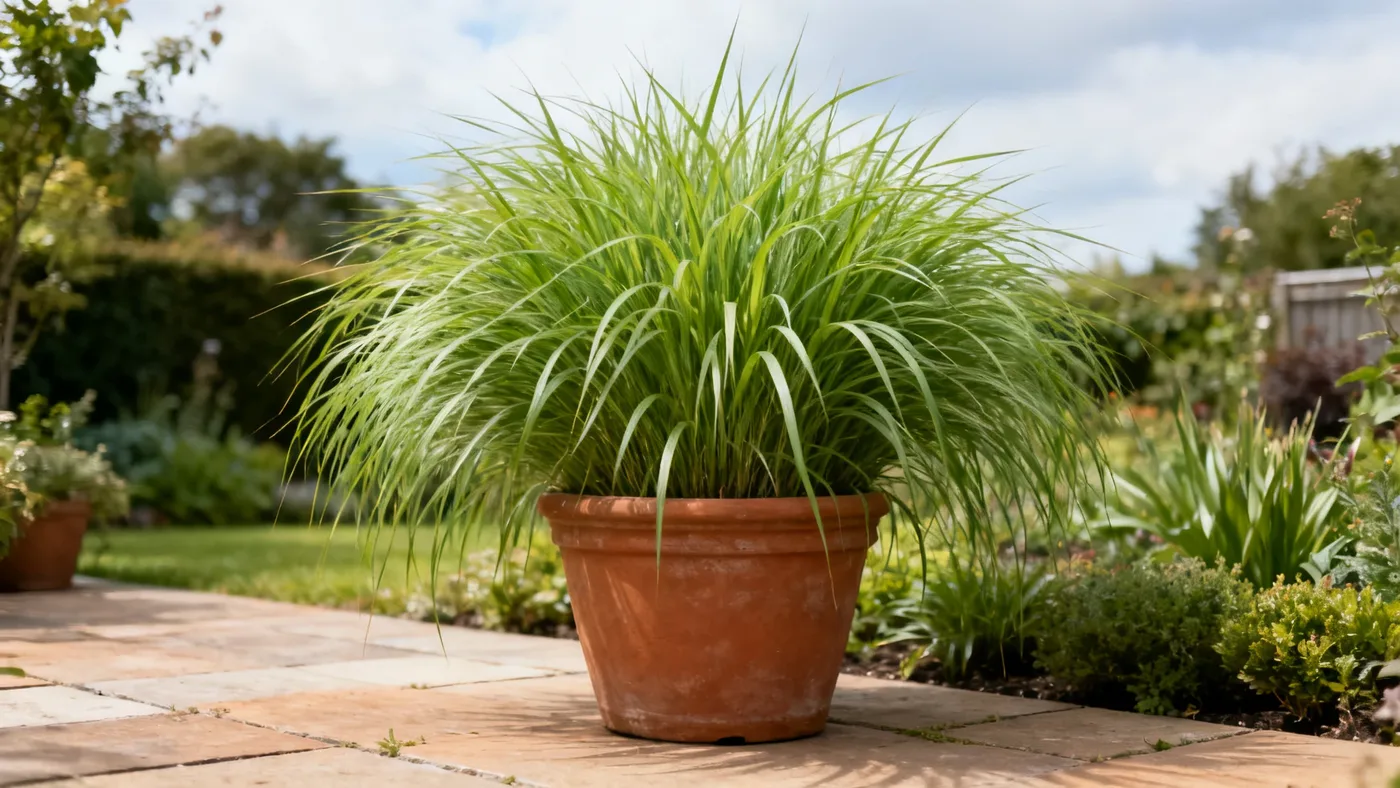
Growing Dwarf Maiden Grass in Pots and Patio Containers
Dwarf Maiden Grass is one of the best ornamental grasses for container gardening. Its compact size makes potted dwarf maiden grass an ideal choice for patios, decks, and small garden spaces where a full-size grass would overwhelm the landscape. Whether you're looking to add a container grown ornamental grass to frame an entryway or create a focal point on a sunny patio, Dwarf Maiden Grass delivers year-round interest with minimal fuss.
Why Containers Work for Dwarf Maiden Grass
Container growing offers distinct advantages. You control the soil quality, ensure excellent drainage, and can position your potted dwarf maiden grass care in full sun regardless of your yard's shade patterns. The grass thrives in zones 5 through 9, and if you live in zone 5, containers let you move plants closer to house heat for extra winter protection if needed. Best of all, dwarf maiden grass in containers allows you to enjoy this striking grass even with limited space.
The cultivar's mature width of 2 to 3 feet fits comfortably in large pots without becoming top-heavy or unstable. Unlike full-size Miscanthus selections, Dwarf Maiden Grass reaches only 3 to 4 feet in foliage, or 4 to 5 feet when bloom plumes appear in late summer.
Choosing the Right Container and Size
Container size matters more than most gardeners realize. For dwarf maiden grass in pots, start with a minimum of a #3 nursery pot (roughly 3 gallons). A 15 to 18 inch diameter pot works well for a single mature clump. If you want the grass to fill a container in its second year of growth, go up to a 20 inch pot.
Material choices include ceramic, plastic, concrete, or fiberglass. The key requirement is drainage: your container must have at least one drainage hole at the bottom. Dwarf Maiden Grass adapts to most well-drained soils, but in a pot, standing water becomes a problem. Elevate containers slightly on pot feet or bricks if they sit directly on paved surfaces, so water can escape freely underneath.
Choose a light-colored container if your patio bakes in direct sun all day. Dark containers absorb heat and can dry out the soil rapidly in midsummer, forcing more frequent watering. Lighter pots help regulate soil temperature and reduce water stress.
Soil and Drainage
Fill your container with a quality potting soil blend, not garden soil from your yard. Garden soil compacts in pots and prevents root growth. Look for a potting mix that drains well but retains some moisture, labeled for general purpose use or ornamental plants. The plant's optimal soil pH range is 6.0 to 7.0, though it tolerates a broader range of 5.5 to 7.5, so most commercial potting mixes will suit it.
To further improve drainage, add perlite or coarse sand to the mix at a ratio of about one part amendment to three parts potting soil. This prevents compaction over time and keeps the root zone aerated. Fill your pot so the soil sits about 2 inches below the rim, leaving space for water to pool before soaking down.
Planting Dwarf Maiden Grass in Containers: Step-by-Step
Spring planting after your local last frost date is preferred, though fall planting is possible in milder zones 8 and 9. Here's how to get your container grown ornamental grass established:
- Prepare the pot. Fill it halfway with dampened potting soil mix. Water the mix lightly so it settles without becoming soggy.
- Examine the nursery plant. Remove the Dwarf Maiden Grass from its quart or #1 container. Gently loosen the root ball by hand. If roots are tightly wound, make three or four vertical cuts along the sides with a clean knife to encourage outward growth.
- Position the grass. Place the loosened root ball in the center of the pot. The top of the root ball should sit level with the top of your prepared soil layer. Add or remove soil beneath until the height is right.
- Backfill. Add soil around all sides of the root ball, pressing gently to eliminate air pockets. Leave 2 inches of space at the rim.
- Water thoroughly. Soak the pot until water drains freely from the drainage hole. This settles the soil and eliminates trapped air.
- Add mulch (optional). A 1 to 2 inch layer of coarse mulch around the base conserves moisture and moderates soil temperature. Keep mulch 2 inches away from the grass stems to prevent rot.
Watering and Feeding Your Potted Grass
Container grown ornamental grass needs regular water until established. During the first growing season, water whenever the top inch of soil feels dry to your touch. Once established (after 1 to 2 growing seasons), Dwarf Maiden Grass displays moderate drought tolerance, but containers dry out faster than in-ground soil, so check regularly, especially in hot weather.
In peak summer, you may water every 2 to 3 days. In cooler spring and fall, once weekly usually suffices. Reduce watering in winter when the plant is dormant, but don't let the soil dry completely hard.
Dwarf Maiden Grass is a light feeder. Apply a single balanced, slow-release fertilizer (such as a 10-10-10 granular formula) in early spring as new growth emerges. A handful worked into the top inch of soil, followed by watering, is enough for the entire season. Excess fertilizer encourages soft growth and can cause the clump to flop open in containers, where support from neighboring plants is absent.
Sun and Location
Full sun is essential. Position your patio containers where the grass receives at least six hours of direct sunlight daily. Dwarf Maiden Grass tolerates light part shade, but flowering and form are best in full sun. Blooming occurs in late summer into fall, typically August through October, when coppery-pink to silvery-white plumes emerge above the foliage.
In zones 5 and 6, place containers where they receive afternoon sun protection if your area sees extreme heat waves. In zones 7 through 9, reflect summer heat away by setting pots in partial afternoon shade during the hottest weeks of July and August if needed, though full sun is still ideal.
Seasonal Care and Pruning
Dwarf Maiden Grass provides winter interest as its foliage turns golden tan to bronze. Leave the dried plumes and tan foliage standing through winter; they offer visual appeal and provide shelter for overwintering beneficial insects. In late winter or very early spring, before new growth emerges, cut the entire clump back to 4 to 6 inches above the soil surface using sharp hedge shears or a hand saw. Remove all dead material from the pot.
After pruning, do not fertilize immediately. Wait until you see new green shoots emerging from the base (usually mid-spring in zones 5 to 6, earlier in warmer zones). That's when you'll apply your single spring feeding.
The grass blooms in its first or second year, and reaches full mature size in 2 to 3 years. As a long-lived perennial, your potted dwarf maiden grass should produce for 10 or more years. If the center of the clump thins out after 3 to 4 years, divide it in early spring. Cut the clump into sections, each with several shoots and a portion of roots, and pot up in fresh soil.
Common Container Mistakes and How to Avoid Them
Overwatering. The most frequent error. Check soil moisture with your finger, not on a fixed schedule. If the top inch is still moist, skip watering until tomorrow.
Poor drainage. If your pot has no drainage hole or the soil stays soggy after watering, roots will rot. Repot with a draining container and fresh soil immediately.
Undersized container. A pot smaller than 3 gallons dries too quickly in summer and doesn't provide enough root space. The minimum is a 15 inch diameter vessel.
Excessive fertilizer. More than one spring application causes leggy growth and flopping. Dwarf Maiden Grass is a light feeder; restrain yourself.
Shade placement. A potted grass in part shade will produce fewer blooms and may look sparse. Move containers to a sunny spot, even if it means repositioning them seasonally.
Expected Results Timeline
Spring planting yields visible growth by early summer. Dwarf Maiden Grass grows at a moderate rate, expanding roughly 1 to 2 feet of spread per year over the first 2 to 3 seasons. You may see bloom plumes as early as late August in the first year, though more prolific flowering comes in year two and beyond. The clump reaches its mature width of 2 to 3 feet by year three, then holds steady.
Winter of the first year, the foliage will turn that striking golden tan to bronze before you prune it back in late winter. By spring of year two, you'll have a substantially fuller clump, and this pattern continues through year three.
Quick Reference: Container Growing Checklist
| Task | Timing | Details |
|---|---|---|
| Choose container | Before planting | Minimum 15 in. diameter (3-gal pot); must have drainage hole |
| Fill with potting soil | Before planting | Quality potting mix + perlite; 6.0-7.0 pH preferred |
| Plant or transplant | Spring after last frost or early fall (zones 8-9) | Top of root ball level with soil surface; water thoroughly |
| Water | Throughout growing season | 1st year: weekly or when top inch is dry; 2+ years: drought tolerant but monitor |
| Full sun location | Year-round | Minimum 6 hours direct sunlight daily |
| Fertilize | Early spring (once yearly) | One application of balanced slow-release fertilizer |
| Prune | Late winter/early spring | Cut entire clump back to 4-6 in. above soil before new growth |
| Monitor for pests | Growing season | Mealybugs and scale are occasional; generally pest-resistant |
| Divide (if needed) | Early spring, every 3-4 years | Only if center thins; section with roots and shoots, repot |
For deeper guidance on all aspects of Dwarf Maiden Grass care, including in-ground growing and companion planting, refer to the Dwarf Maiden Grass care guide. Containers offer a rewarding way to bring this striking ornamental grass into your patio design with minimal space and maximum visual impact.