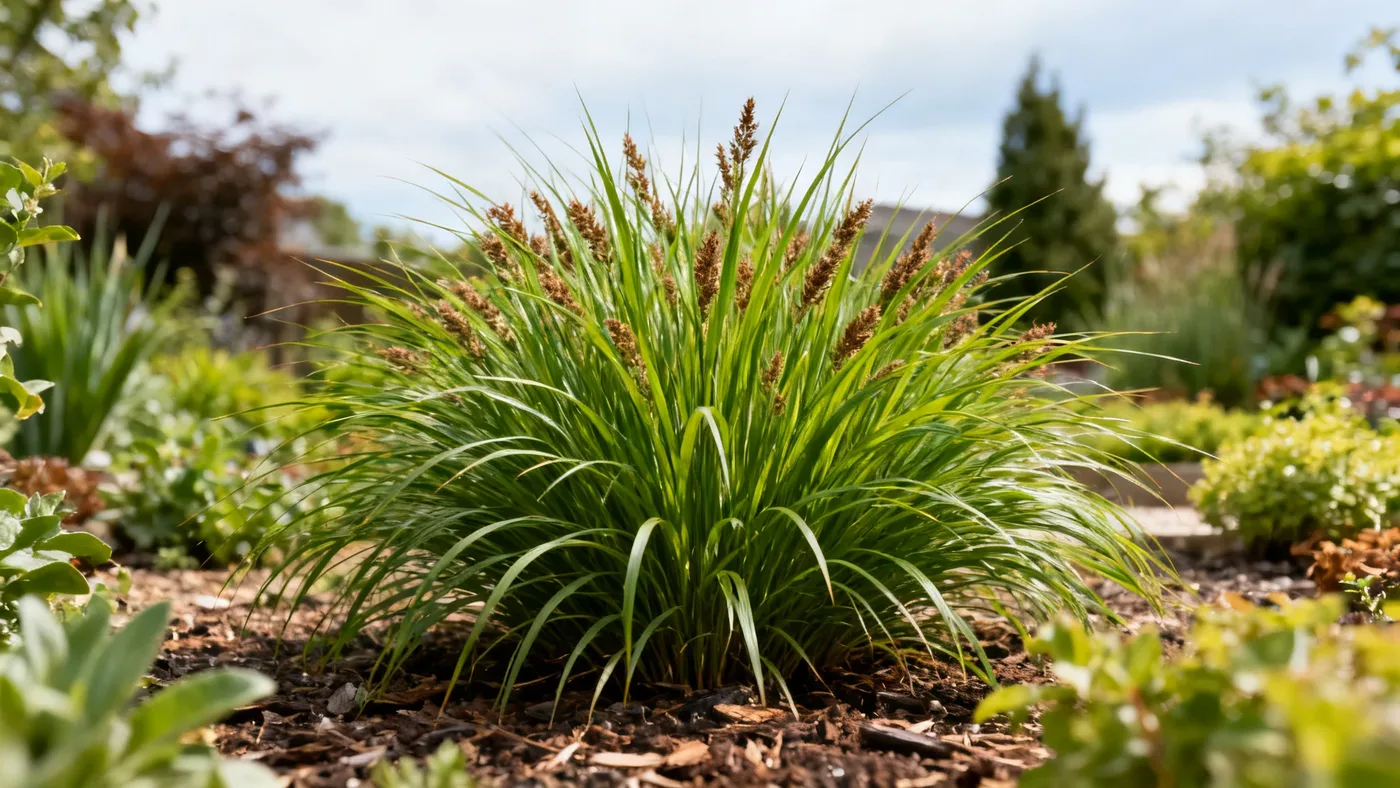
Dwarf Maiden Grass Hardiness Zones: Where It Grows Best
Understanding Dwarf Maiden Grass Hardiness Zones
What USDA hardiness zones does Dwarf Maiden Grass grow in?
Dwarf Maiden Grass is cold hardy in USDA zones 5 through 9. This makes it suitable for most of the continental United States, from the upper Midwest down through the South. If your region falls within zones 5 to 9, you can plant this ornamental grass and expect it to survive winter outdoors without special protection.
Does the specific cultivar matter for hardiness?
Yes, cultivar choice can affect hardiness at the zone edges. Dwarf Maiden Grass is a trade name used by different nurseries for slightly different Miscanthus sinensis cultivars, most commonly 'Adagio', but sometimes 'Yaku Jima' or other compact selections. Some sources list precise zone edges (4-9 rather than 5-9) depending on cultivar, so verify the cultivar name when ordering, especially if you are in zone 4 or zone 10.
Is Dwarf Maiden Grass truly cold hardy, or do I need winter protection?
Dwarf Maiden Grass is cold hardy throughout zones 5-9 and does not require winter protection once established. The clump dies back above ground in freezing temperatures, but the root system survives underground and regrows in spring. Many gardeners intentionally leave the dried foliage standing through winter for ornamental interest and to provide nesting material for birds.
Can I grow Dwarf Maiden Grass in zone 4?
Zone 4 is outside the standard hardiness range, though some dwarf cultivars may survive occasional winters if conditions are ideal. If you are in zone 4 and want to try growing it, choose a sheltered location with excellent drainage, avoid wet winter soil, and be prepared for occasional winter loss. Container growing with winter protection is an alternative if you want to guarantee survival.
Can I grow Dwarf Maiden Grass in zone 10?
Zone 10 is warmer than Dwarf Maiden Grass prefers. While it may survive the winter, it often struggles with heat stress and humidity in zone 10 climates, and seed-set behavior can become unpredictable in warmer zones. Check your state's invasive plant list before planting, as Miscanthus sinensis is listed as a species of concern in parts of the southeastern US due to self-seeding in warm, moist climates.
Winter Survival and Cold Hardiness
What happens to Dwarf Maiden Grass during winter in cold climates?
In zones 5-6, the entire clump dies back after hard frost, leaving dried tan foliage and silvery-buff seed plumes standing through winter. The roots remain alive underground, protected by soil insulation. This dormancy is normal and expected, not a sign of failure. Growth resumes in late spring when soil warms.
Why is Dwarf Maiden Grass so slow to emerge in spring?
Dwarf Maiden Grass is among the last perennials to break dormancy in spring, often not showing green growth until late May or early June in zones 5 to 6. This delayed emergence is typical for warm-season ornamental grasses and is not a problem. The grass will still reach full growth by mid-summer, and if you are impatient, mark the planting location so you do not accidentally disturb the clump thinking it is dead.
When should I cut back Dwarf Maiden Grass in cold climates?
Cut the entire clump back to 4 to 6 inches above ground in late winter or very early spring, just before new growth emerges. Timing is typically late February through March in zones 5-6 and March through early April in warmer zones. Cut while the clump is still dormant, or wait until you see green shoots emerging, but do it before active growth makes the job messier.
How does standing dried foliage help with winter survival?
Leaving the dried clump standing through winter provides insulation to the crown and roots, especially important in zone 5 where soil can freeze solid. The dried foliage also sheds water away from the crown, reducing the risk of rot from winter moisture. Additionally, many gardeners value the winter ornamental interest and the wildlife habitat the standing growth provides.
What happens to Dwarf Maiden Grass in a zone 9 winter?
In zone 9, winters are mild enough that the foliage may not fully die back, and new growth may begin very early in spring. This earlier growing season puts more stress on the plant in hot, humid zone 9 climates. The foliage color may be less vibrant than in cooler zones, and self-seeding is more likely, which is why some state plant lists flag Miscanthus species as invasive in zone 9.
Warm Climate Considerations
Why does Dwarf Maiden Grass struggle in zone 10?
Zone 10 summers are often too hot and humid for optimal growth. The plant evolved in East Asia's cool-to-temperate climate and prefers regions with clear seasonal temperature swings. Prolonged heat and high humidity can weaken the clump, reduce flower quality, and trigger disease, particularly rust or leaf blight. If you are in zone 10, you may have better success with fountain grass (Pennisetum) or other warm-season species bred for hotter climates.
Does heat damage the foliage or plumes directly?
Extreme heat alone does not typically kill Dwarf Maiden Grass, but combined with high humidity, it can promote leaf diseases and reduce flower production. The silvery-buff plume color may also be less intense in very hot climates. Providing afternoon shade in zone 9 gardens can help, though the grass will flower better in full sun.
Is Dwarf Maiden Grass invasive in warmer zones?
Yes, Miscanthus sinensis and its cultivars are listed as invasive or a species of concern in parts of the eastern/mid-Atlantic and southeastern US, particularly where warm, moist conditions allow frequent self-seeding. Before planting in zones 8-9, check your state or regional invasive plant lists. Some cultivars are more sterile than others, but this is not always disclosed at the trade-name level, so treat all Dwarf Maiden Grass plants as potentially capable of setting seed in warm zones.
Regional Planting Strategies
What is the best planting time in zone 5?
Spring planting after the last frost is strongly preferred in zone 5. This gives the plant a full growing season to establish roots before winter dormancy. Planting too late in fall in zone 5 means the roots have minimal time to establish, and winter stress may kill the plant. Most nurseries recommend planting in April or May in zone 5.
Can I plant Dwarf Maiden Grass in fall in zones 7 or warmer?
Fall planting is possible in zones 7, 8, and 9, but spring is still preferable if available. Fall planting works best 8 to 10 weeks before the first frost, allowing the roots time to establish before dormancy. In zone 9, where dormancy is minimal, fall planting is less risky than in zone 5, but spring planting still gives better results.
How does spring emergence timing change by zone?
In zone 5, new shoots typically appear in late May or early June. In zone 6, expect growth in mid to late May. In zones 7-8, you may see early shoots in late April or early May. In zone 9, where winters are mild, new growth can start in March or early April. These timings vary year to year depending on spring weather, but the pattern is consistent: cooler zones break dormancy later.
Are there cultivar recommendations for specific zones?
The common dwarf cultivars ('Adagio', 'Yaku Jima', 'Little Kitten', 'Little Zebra') are all hardy in zones 5-9, though some regional nurseries may stock cultivars better suited to your specific zone. If you are in zone 5 or 9 and want to play it safe, ask your nursery which cultivar they carry and whether it performs reliably in your area. Opting for locally sourced plants reduces hardiness risk.
Hardiness Factors Beyond USDA Zones
Does soil type affect cold hardiness of Dwarf Maiden Grass?
Well-drained soil is essential for winter survival in all zones. Wet winter soil can cause root rot and crown rot even in zones 5-7. Dwarf Maiden Grass adapts to most well-drained soils, including clay and sandy soil, but in cold climates with heavy winter moisture, sandy or amended clay is preferable to pure clay. If your soil tends to stay soggy, add raised planting beds or amend heavily with compost.
How does winter moisture affect survival?
Standing water or prolonged saturation around the crown in winter is the main cause of winter death in zones 5-7, not cold temperature alone. Even zone-hardy plants can die from root rot if drainage is poor. Prune back the foliage in late winter so water does not collect in the center of the clump. If you live in a region with heavy winter snow melt or frequent rain, ensure the planting site slopes away from the clump.
Can I grow Dwarf Maiden Grass in a microclimate warmer than my zone?
Yes, sheltered microclimates such as south-facing walls, reflective pavement, or wind-sheltered courtyards can effectively raise the local temperature by a zone or more. If you are in zone 4 and want to attempt growing Dwarf Maiden Grass, choose the warmest, most sheltered spot in your garden. Similarly, in zone 9, afternoon shade and good air circulation help the plant survive humid heat.
How does salt exposure affect hardiness in cold zones?
Dwarf Maiden Grass has moderate salt tolerance and can handle coastal salt spray or road salt better than many ornamental grasses. However, salt stress combined with severe cold may reduce hardiness slightly in zone 5. If you are in a cold, coastal, or salt-affected region, site the plant away from direct salt sources when possible, and rinse foliage with fresh water after salt exposure.
What climate factors matter most beyond temperature?
Drainage, humidity, and sunlight are as critical as temperature for long-term success. Full sun promotes the best growth and flowering, even in warm zones. Low humidity in zones 5-6 means fewer disease problems. Good drainage is non-negotiable in all zones, especially cold ones. A zone-hardy plant in poor drainage will fail; a borderline-hardy plant in ideal conditions may thrive.
Quick Reference: Dwarf Maiden Grass Hardiness and Climate
| USDA Zone | Winter Survival | Best Planting Season | Key Considerations |
|---|---|---|---|
| Zone 4 | Marginal (risky) | Spring only | Choose sheltered site; excellent drainage required; container culture with winter protection recommended |
| Zone 5 | Hardy | Spring after last frost (April to May) | Cut back late Feb to March; leave standing foliage for insulation; excellent drainage essential |
| Zone 6 | Hardy | Spring or early fall | Emerges mid to late May; full sun and well-draining soil needed; dormancy is normal |
| Zones 7 to 8 | Hardy | Spring or fall | Emerges late April to May; less winter dormancy than zones 5-6; check invasive plant lists |
| Zone 9 | Hardy but at risk | Spring or fall | May reseed; verify cultivar; high humidity risk; check state invasive lists; afternoon shade helpful |
| Zone 10 | Not reliably hardy | Not recommended | Consider Pennisetum or other warm-climate ornamental grasses instead |
For comprehensive year-round care suited to your zone, see our Dwarf Maiden Grass care guide.