Dwarf Maiden Grass vs Dwarf Fountain Grass: Which Is Right for You?
If you're shopping for a compact ornamental grass, you've likely come across two strong contenders: Dwarf Maiden Grass and Dwarf Fountain Grass. Both are warm-season grasses that bring movement and texture to borders, containers, and mass plantings. Yet they have distinct personalities in the garden. Understanding their differences will help you pick the right one for your design goals.
What is Dwarf Maiden Grass?
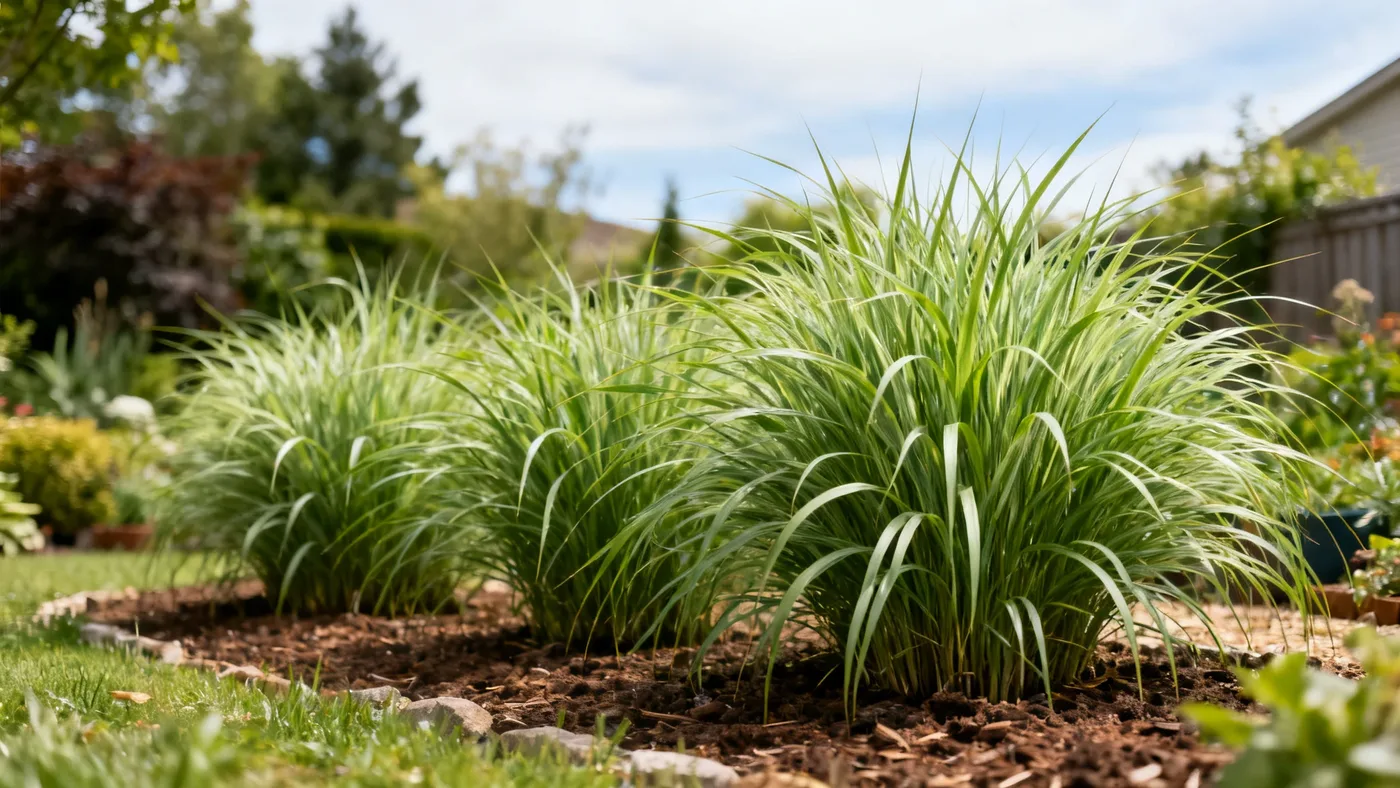
Dwarf Maiden Grass (Miscanthus sinensis 'Adagio' or similar compact selections) is a Japanese native grass that grows 3 to 4 feet tall in foliage, with flowering plumes reaching 4 to 5 feet. The fine-textured green blades form a dense, fountain-like clump. In fall, the foliage turns golden tan to bronze. Plumes emerge in late August and continue into October, ranging from coppery-pink to silvery-white before fading to buff or tan. This grass is hardy in USDA zones 5 to 9.
What is Dwarf Fountain Grass?
Dwarf Fountain Grass (Pennisetum alopecuroides) is a different genus altogether, though both belong to the Poaceae grass family. It has a distinctly weeping, cascading form that lives up to its "fountain" name. The plumes are feathery and appear in shades of red, pink, or tan, emerging amid the arching foliage. While comparable in size to Dwarf Maiden Grass, Pennisetum's growth habit and overall appearance are markedly different. It is typically hardy in zones 5 to 9, though exact hardiness can vary by cultivar.
Side-by-Side Comparison Table
| Attribute | Dwarf Maiden Grass (Miscanthus) | Dwarf Fountain Grass (Pennisetum) |
|---|---|---|
| Botanical Name | Miscanthus sinensis dwarf cultivar, most commonly 'Adagio' or 'Yaku Jima' | Pennisetum alopecuroides |
| Foliage Height | 3 to 4 feet | Typically 2 to 3 feet (cultivar-dependent) |
| Total Height with Plumes | 4 to 5 feet | Generally 3 to 4 feet |
| Hardiness Zones | 5 to 9 | 5 to 9 (verify with local nursery) |
| Growth Habit | Upright, dense architectural clump | Weeping, cascading, fountain-like |
| Plume Color | Coppery-pink to silvery-white, fading to buff/tan | Red, pink, or tan (cultivar-dependent) |
| Bloom Time | Late August through October | Late summer through fall |
| Full Sun Requirement | Full sun; tolerates light part shade | Full sun preferred for best form |
| Soil Preference | Adaptable, including clay and sandy soil | Well-drained soil required |
| Drought Tolerance (established) | High after 1 to 2 growing seasons | High once established |
| Winter Interest | Strong; dried plumes and tan foliage persist through winter | Moderate; foliage breaks down more quickly |
| Deer Resistance | High | High |
| Annual Pruning | Cut back to 4 to 6 inches above ground in late winter/early spring | Cut back in early spring (check cultivar height) |
Key Differences in Growth Form and Structure
The most visual difference between dwarf maiden grass and pennisetum lies in their architecture. Miscanthus sinensis builds an upright, fountain-shaped clump with narrow blades that arch outward and create vertical presence in the garden. It anchors borders and draws the eye upward. Dwarf Fountain Grass, by contrast, has a distinctly weeping, cascading form. The foliage tumbles and spills outward and downward, softening hard edges and cascading over container rims.
If you want a plant that serves as a focal point or provides structural definition to a bed, Dwarf Maiden Grass excels. If you want something that softens transitions or creates a flowing waterfall effect in a container or raised bed, Dwarf Fountain Grass is the answer.
Bloom Time and Plume Display
Both grasses flower in late summer and fall, but timing and presentation differ. Dwarf Maiden Grass typically blooms earlier than full-size Miscanthus cultivars, sending up plumes from roughly August into October. The plumes stand upright above the clump, creating a showy silvery or coppery accent that's fully visible from all angles. Dwarf Fountain Grass plumes emerge among the cascading foliage, so they integrate into the weeping form rather than standing apart.
For gardeners who want prominent plume display and that classic "silver grass" aesthetic, Dwarf Maiden Grass provides a more dramatic flowering show.
Soil, Sun, and Water Needs
Dwarf Maiden Grass is remarkably adaptable to soil type. It thrives in well-drained soil but also tolerates clay and sandy soil without amendment. Dwarf Fountain Grass is less forgiving: it prefers well-drained soil and can struggle in heavy clay without drainage improvement.
Both prefer full sun for best flowering and form. Dwarf Maiden Grass tolerates light part shade better than Fountain Grass, though both perform best in open sun. Once established, both have high drought tolerance. Dwarf Maiden Grass reaches full drought tolerance after 1 to 2 growing seasons. During the establishment phase, water both grasses regularly until they're clearly growing on their own.
Maintenance and Pruning
Both grasses require annual spring pruning before new growth emerges. Cut Dwarf Maiden Grass back to 4 to 6 inches above ground in late winter or very early spring. This removes the dead foliage and plumes and allows new growth to emerge cleanly. Dwarf Fountain Grass also needs cutting back in early spring, though the specific height may vary by cultivar.
Both are light feeders. A single application of balanced, slow-release fertilizer in spring is usually sufficient. No summer feeding needed. Pruning and basic watering are your main annual tasks.
Best Uses: Which Grass Fits Your Garden?
Mass Plantings and Borders
For border rhythm and repetition, Dwarf Maiden Grass wins. Space plants 2 to 3 feet apart to create a unified screen or edge. The upright form creates visual flow and structure. Dwarf Fountain Grass can work in groups, but its weeping habit is less effective at organizing space in a traditional border.
Container Gardens
Both grasses suit large patio containers well thanks to their dwarf size. However, Dwarf Fountain Grass excels here because its cascading form looks spectacular spilling over a pot's edge or a raised bed. Dwarf Maiden Grass works in containers but delivers less visual drama.
Mixed Perennial Beds
Dwarf Maiden Grass pairs beautifully with upright perennials: black-eyed Susan (Rudbeckia), coneflower (Echinacea), sedum, and asters all complement its architectural form. Its vertical presence creates good composition. Dwarf Fountain Grass also works with companions but its softer form blends in rather than anchoring the design.
Winter Appeal
Dwarf Maiden Grass is superior for winter interest. The dried plumes and tan foliage persist through the cold months, providing structure and visual interest when perennials have died back. This is one of the best dwarf ornamental grass choices if winter landscape presence matters to you. Dwarf Fountain Grass foliage breaks down more readily, offering less persistent winter appeal.
Pros and Cons
Dwarf Maiden Grass Advantages
- Upright, architectural form anchors beds and borders
- Strong year-round winter interest with persistent plumes and tan foliage
- Open, showy plume display, highly visible from all angles
- Adaptable to clay, sandy, and well-drained soils
- Tolerates light part shade better than Fountain Grass
- Reliable blooming in zone 5, even in cooler climates
- Reaches full mature clump size in 2 to 3 years
- High deer resistance
Dwarf Maiden Grass Considerations
- Slow to emerge in spring, often the last plant to green up
- Can self-seed into nearby areas in warmer zones; check regional invasive plant lists before planting
- May flop or splay open if grown in too much shade or overly rich, fertile soil
Dwarf Fountain Grass Advantages
- Cascading form creates beautiful spill-over effect in containers and raised beds
- Lighter, airier texture than Miscanthus
- Also reliable in zones 5 to 9
- High drought tolerance once established
- Generally less likely to self-seed aggressively
- High deer resistance
Dwarf Fountain Grass Considerations
- Weeping form less effective for screens, hedges, or structured borders
- Plumes partially hidden by cascading foliage, so display is less open
- Foliage breaks down more quickly in winter, reducing seasonal interest
- Requires well-drained soil (less tolerant of clay without amendment)
- Full sun requirement is more strict than Maiden Grass
Making Your Choice
Choose Dwarf Maiden Grass if you want a plant that structures your garden, stands strong through winter, and blooms reliably even in cooler climates. It is the better choice for mass plantings, borders, focal points, and any design that needs architectural presence. If you're in zone 5 or 6 and want a hardy, upright accent grass, this is your answer. When comparing dwarf maiden grass vs pennisetum for structured landscape work, Miscanthus outperforms.
Choose Dwarf Fountain Grass if you want a softer, cascading form to soften edges and plan to use it primarily in containers or spilling from raised beds. It's the choice for gardeners seeking a weeping silhouette rather than an upright anchor.
Both miscanthus vs pennisetum are solid ornamental grasses, and "dwarf" is relative to their full-size cousins. Both plants reach substantial size and shouldn't be underestimated when spacing. Choose based on the form and effect you want to create in your specific space.
Ready to grow Dwarf Maiden Grass? Read our complete care guide for seasonal maintenance and problem-solving. If you're ready to plant now, our planting guide walks you through site prep, establishment watering, and spacing for mass plantings.
Quick Reference: At a Glance
| Your Situation | Pick Dwarf Maiden Grass | Pick Dwarf Fountain Grass |
|---|---|---|
| Want upright, architectural structure? | Yes, this is its strength | No, it cascades instead |
| Need a weeping, cascading effect? | No, it stands upright | Yes, this is ideal |
| Planting in zone 5? | Best choice | Verify hardiness with your nursery |
| Planning mass planting or screen? | Ideal for this use | Less effective here |
| Growing in containers? | Works well | Better choice for spill-over |
| Want strong winter interest? | Yes, persistent plumes and foliage | Moderate; breaks down faster |
| Soil is heavy clay? | Tolerates without amendment | Needs drainage improvement |
| Garden gets part shade? | Tolerates light shade | Prefers full sun |
| Want dramatic plume display? | Yes, plumes stand above foliage | Plumes integrate into cascade |