Buying Dwarf Maiden Grass: Container Sizes and What to Look For
When you're ready to buy Dwarf Maiden Grass for your garden, the choices can feel overwhelming. Is a quart-size plant enough? Should you pay more for an established specimen in a larger container? What exactly separates a healthy young clump from one that's struggling? This guide walks you through what to look for when buying Dwarf Maiden Grass, how to evaluate different container sizes, and where to source a quality plant that will thrive in your landscape.
Dwarf Maiden Grass, commonly sold under the cultivar name 'Adagio' (though you may also see 'Yaku Jima' or similar compact selections), has become a favorite for home gardeners and landscapers alike. The compact form makes it far easier to fit into smaller gardens than the standard-size Miscanthus. But that same dwarf growth habit means you need to know what a healthy specimen looks like at different stages, and understand what each container size actually offers.
What to Look For When Buying Dwarf Maiden Grass
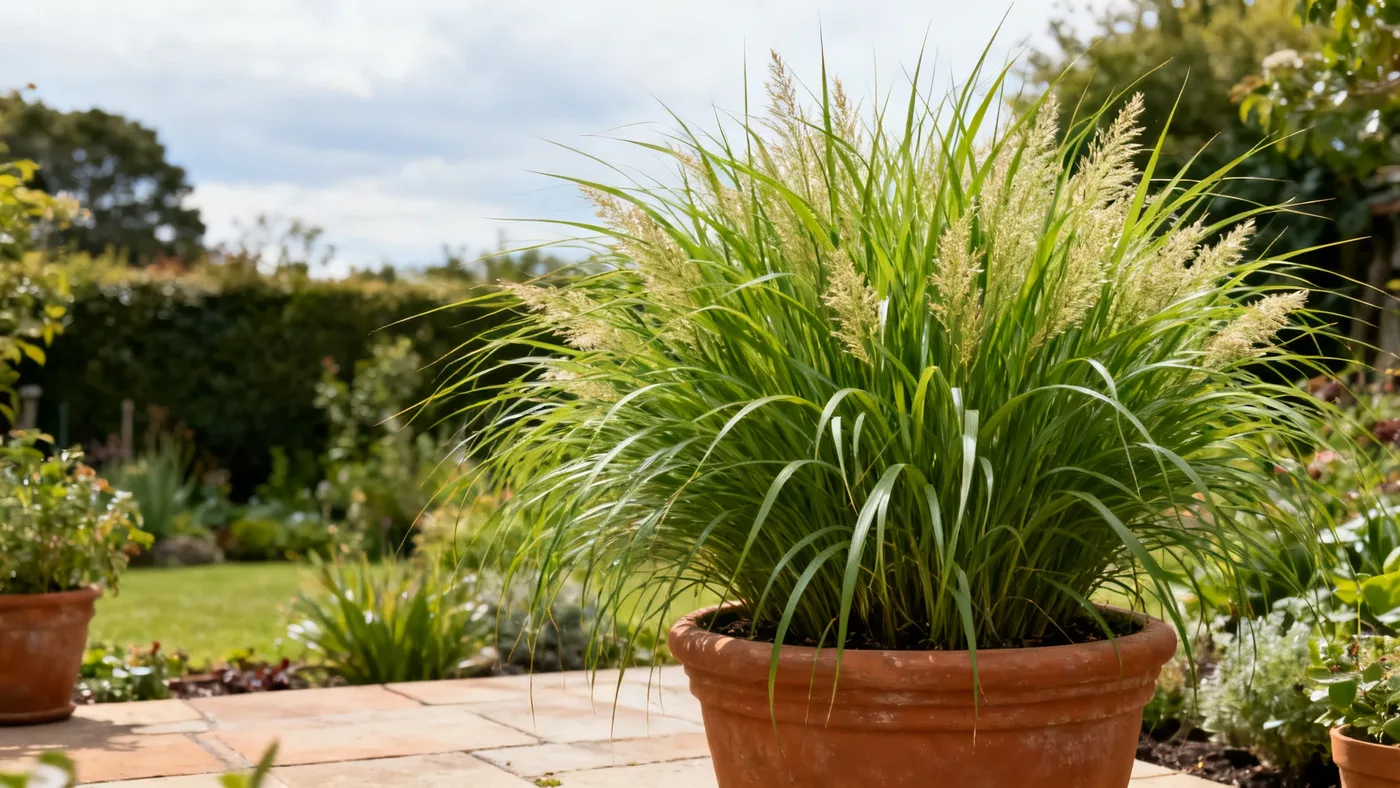
A quality Dwarf Maiden Grass plant exhibits several clear visual markers. Start with the foliage. The leaves should be fine-textured, bright green, and densely packed. Inspect the clump from the side and from above. A healthy plant shows an upright, fountain-like form with leaves arching outward. If the foliage looks sparse, pale, or yellowed, or if the clump appears to be opening up in the middle, that's a sign of poor growing conditions or neglect at the nursery.
Next, check the base of the clump. Part the foliage gently and look at the crown (where the leaves emerge from the soil). It should be firm, not mushy or rotting. The soil surface should be moist but not waterlogged. If the pot feels bone-dry or smells sour, the plant has either been underwatered for extended periods or overwatered and is suffering from root issues.
Inspect the entire plant for pests. Look closely at the leaf undersides and the base of the clump. Common pests on ornamental grasses are mealybugs and scale insects, though they are occasional rather than epidemic on Dwarf Maiden Grass. If you spot white cottony clusters, tiny hard bumps on stems, or sticky residue, walk away or ask if the nursery has treated the plant recently.
The root system matters too, especially for plants in quart or #1 containers. If you can see inside the drainage holes without removing the pot, peek. Roots should be white or tan and visible at the perimeter, but the pot should not be a solid mat of root. That indicates the plant has been in that container too long and will need immediate repotting and careful watering when you get it home.
Understanding Container Sizes and Plant Maturity
Dwarf Maiden Grass is typically sold in three standard container sizes at nurseries, and each represents a different investment and maturity level.
Quart-size (1 quart): This is the smallest offering and the most budget-friendly option for buying Dwarf Maiden Grass. A quart-size plant is usually a young specimen, often just 6 to 12 inches tall and perhaps 6 inches wide. It will take 2 to 3 growing seasons to reach its mature size of 3 to 4 feet in foliage height and 2 to 3 feet wide. These plants require careful watering and attention during their first year, especially the first growing season after planting. They are an excellent choice if you have patience and want to establish a garden of many plants without breaking your budget.
#1 container (roughly 1 gallon): A #1 container holds a more established plant, typically 12 to 18 inches tall and 8 to 12 inches wide. These plants usually bloom in their first or second year in your garden and reach full mature size in 2 to 3 seasons. They offer a middle ground between affordability and the confidence of a more established clump. This is where most experienced gardeners buy Dwarf Maiden Grass for small focal points or single-specimen plantings.
#3 container (roughly 3 gallons): A #3 container holds a substantially larger, well-developed plant. These specimens are often in their second or third year at the nursery and may be 18 to 30 inches tall and 12 to 18 inches wide. Some #3 plants are already producing plumes or showing their mature form. This is where to buy Adagio maiden grass if you want immediate impact in your landscape or do not want to wait multiple seasons for the plant to establish. Expect to pay significantly more for a #3, but your garden benefits from mature foliage and often earlier flowering.
Comparing Key Features
Beyond container size, evaluate a few other features to make an informed purchase.
Cultivar identity: Ask which cultivar you are buying. 'Adagio' is by far the most common and is reliable across zones 5 through 9. 'Yaku Jima' is another compact selection available at some nurseries. Other dwarf cultivars like 'Little Kitten' and 'Little Zebra' (which offers variegated foliage) exist but are harder to find at standard garden centers. Do not assume all "Dwarf Maiden Grass" labels represent the same plant, because cultivar performance can vary slightly by region and hardiness expectations.
Sun requirements: Dwarf Maiden Grass performs best in full sun. If the nursery's display area is shaded, the plant may look lush and green but will not have the robust, upright form or the prolific plumes you expect at home in full sun. Similarly, if a plant appears to be stretching (stem and leaf bases unusually far apart), it has been struggling in shade and may never develop its full potential even after you move it to sunlight.
Bloom plumes: Late in the growing season (roughly August through October), Dwarf Maiden Grass produces coppery-pink to silvery-white plumes that fade to buff or tan. If you are buying in late summer or fall, look for plants with well-developed plumes. Plumes should be upright and numerous, not sparse or drooping. If a mature specimen has few plumes, that is a red flag that it did not receive adequate light or care. If you are buying in spring, you will not see plumes yet, but a healthy specimen should still show vigorous, upright foliage.
Soil quality: The potting mix should look fresh and not compacted or crusted. If the soil is pulling away from the sides of the pot and does not absorb water readily, the mix has aged and will be difficult to wet once planted. Request a plant that is currently being watered regularly, not one that has been left dry for weeks.
Top Picks at Different Price Points
Your choice of where to buy Dwarf Maiden Grass for sale often determines the quality-to-cost ratio you can achieve.
Budget option (quart-size from a general garden center): A quart-size plant from a box-store garden center or local garden center is often the most affordable entry point for buying Dwarf Maiden Grass. You pay for a young plant but avoid shipping costs if you buy locally. Inspect it carefully for the signs of health outlined above. This option suits gardeners who are comfortable waiting 2 to 3 years for full maturity and who want to establish a large planting without a huge upfront spend.
Mid-range option (#1 container from a specialty nursery): A #1 container from a specialty native plant or ornamental grass nursery usually commands a moderate price. The advantage is that you are buying from growers who understand grass cultivation and can tell you exactly which cultivar you are purchasing and what its hardiness and mature size will be. These plants are typically healthier and better rooted than budget options and will establish faster in your garden.
Premium option (#3 container from a specialty nursery): A #3 plant from a specialty nursery is a mature specimen that can provide immediate visual impact. This is worth the investment if you need a focal point plant, are planting a small area, or want to see results right away without waiting multiple seasons. Expect to spend considerably more, but you get a well-rooted, often already-blooming plant that handles transplant stress better than smaller specimens.
Red Flags to Avoid
Certain warning signs indicate a plant is not worth buying, even at a discount.
Yellowing or brown foliage: Some yellowing at the base of a clump is normal, but widespread yellow or brown leaf tissue signals nutrient deficiency, root stress, or pest damage. Pass on these plants.
Sparse, thin, or falling-over foliage: Dwarf Maiden Grass should have a dense, upright fountain form. If the clump is thin, gappy, or splaying open, it has been grown in too much shade or in overly fertile soil (which causes weak, floppy growth). These plants may never develop their intended compact form even in your full-sun garden.
Visible pests or sticky residue: Small infestations of mealybugs or scale can be managed at home, but it is easier to buy a healthy plant in the first place. If the nursery has treated the plant for pests, ask for details on the product used and how long ago the treatment was applied.
Bone-dry or waterlogged soil: A pot that is rock-hard dry or one that squelches and smells sour indicates poor care. Either scenario stresses the roots and compromises establishment in your garden.
Mushy crown or rotting base: If the crown (where leaves meet soil) is soft, blackened, or smells rotten, root rot is already underway. Do not buy these plants.
Invasive-plant concerns in your region: Before you buy, check your state or local invasive plant list. Miscanthus sinensis and its cultivars are listed as invasive or a species of concern in parts of the eastern, mid-Atlantic, and southeastern United States due to self-seeding into wild areas. Some cultivars are more sterile than others, and this information is not always disclosed at the generic "Dwarf Maiden Grass" trade-name level. If your state restricts Miscanthus, ask your nursery for certified sterile or non-invasive cultivars, or choose an alternative grass.
Where to Buy Dwarf Maiden Grass
You have several options for sourcing a quality plant.
Local specialty nurseries: Local nurseries and ornamental grass specialists often carry dwarf maiden grass cultivars year-round or seasonally. The benefit is that you can inspect the plant in person before buying, speak with staff who know the cultivar intimately, and avoid shipping damage. Prices are typically moderate to premium but the expertise is invaluable.
Native plant nurseries: Many native plant nurseries stock Miscanthus sinensis cultivars, especially those focused on ecological landscaping. Staff at these nurseries can advise you on whether the plant is invasive in your area and may offer cultivars specifically selected for lower invasiveness.
Regional box stores and garden centers: Large garden centers carry quart and #1 containers of Dwarf Maiden Grass, especially in spring and early summer. Availability is seasonal and cultivar information may be limited to a generic label. Prices are typically the lowest, but plant quality varies. Inspect carefully and do not assume the staff can provide cultivar details.
Online retailers and mail-order nurseries: Many online plant retailers ship Dwarf Maiden Grass in quart and #1 sizes. Shipping adds cost and can stress young plants, but online orders expand your cultivar options. Request delivery in spring or fall when temperatures are moderate. Inspect the plant upon arrival and contact the nursery immediately if it arrives damaged.
Regional plant sales and garden shows: Local plant societies, botanical gardens, and garden shows often feature specialty nurseries selling rare or dwarf cultivars. These events let you compare plants and cultivars from multiple vendors in one place and often come with expert talks on care.
Next Steps After Buying: Planting and Care
Once you have selected and brought home your Dwarf Maiden Grass, proper planting and early care will set you up for success. Spring after the last frost is the preferred planting season; fall planting is possible in milder zones (9, and possibly zone 8). Plant in full sun in well-drained soil. Water regularly during the first growing season and the second year until the plant is established. After 1 to 2 growing seasons, Dwarf Maiden Grass develops high drought tolerance once established.
For detailed instructions on planting depth, spacing for mass plantings (2 to 3 feet apart), and seasonal care, see the Dwarf Maiden Grass Care Guide.
Quick Reference: Dwarf Maiden Grass Buying Checklist
| Feature to Check | What to Look For | Red Flag |
|---|---|---|
| Foliage color and density | Bright green, fine-textured, densely packed leaves | Yellowing, sparse, or pale foliage |
| Clump form | Upright, fountain-like shape with leaves arching outward | Thin, gappy, or flopping-open form |
| Crown and base | Firm, white or tan roots visible at pot edges | Mushy crown, black or rotted base, sour smell |
| Soil moisture | Moist but not waterlogged, fresh potting mix | Bone-dry or spongy-wet soil; old, compacted mix |
| Pests | No visible insects, mealybugs, scale, or sticky residue | White cottony clusters, hard bumps on stems, any pest evidence |
| Plumes (late season) | Upright, numerous, coppery-pink to silvery-white plumes | Few, sparse, or drooping plumes; missing plumes on mature plants |
| Container size maturity | Quart = small young plant; #1 = mid-size; #3 = mature, established | Solid root mat in small container (pot-bound) |
| Cultivar identity | Labeled clearly as 'Adagio', 'Yaku Jima', or specific cultivar name | Generic "Dwarf Maiden Grass" with no cultivar info |
| Local invasiveness | Check your state/region invasive plant list before purchase | Miscanthus sinensis listed as invasive in your area |