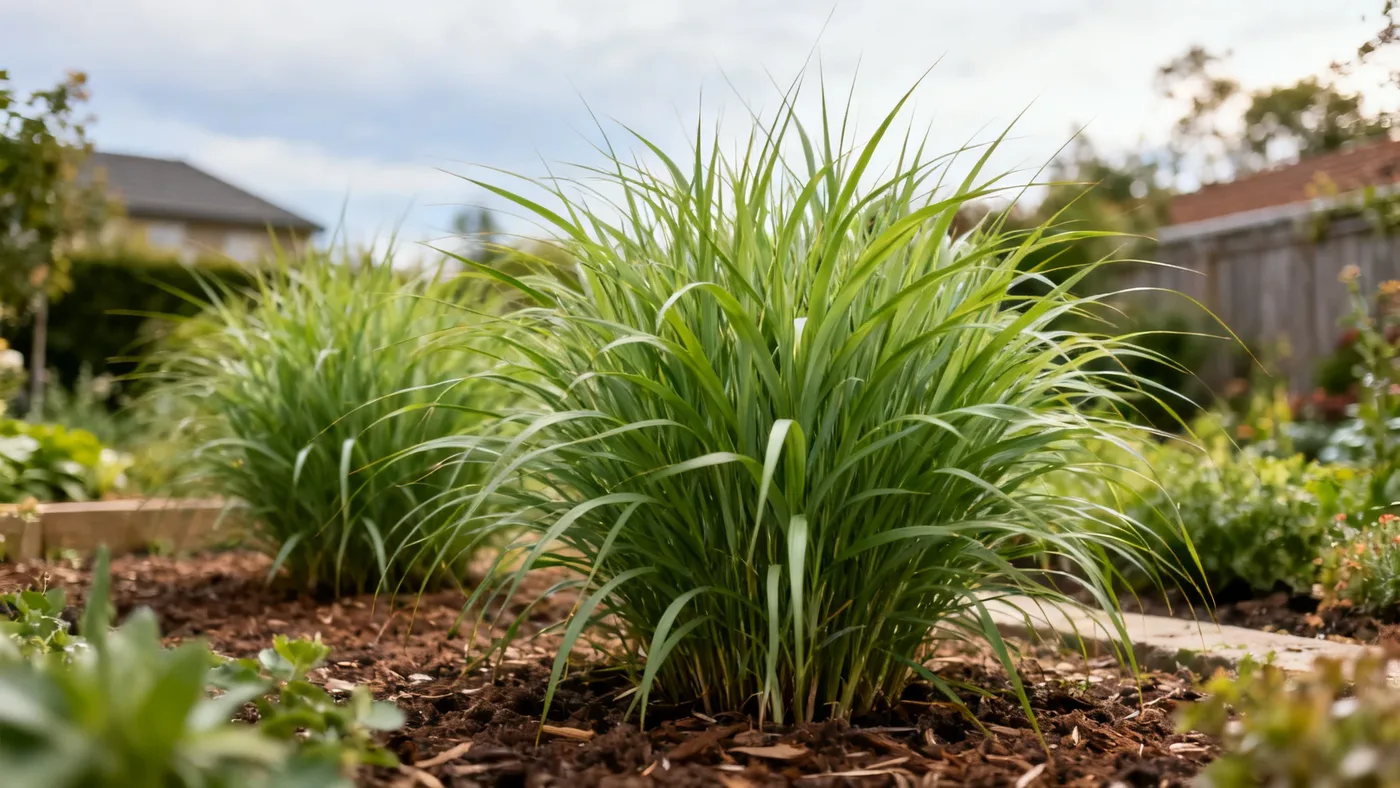
Is Dwarf Maiden Grass Drought Tolerant? Heat and Dry Spell Guide
Yes, Dwarf Maiden Grass (Miscanthus sinensis 'Adagio' and similar compact cultivars) does become drought tolerant, but only after 1 to 2 growing seasons of establishment. This warm-season ornamental grass shifts from a thirsty new plant to a genuinely low-water performer once its root system develops. The catch: you have to get it through that first year properly, or you'll end up with a weak, stressed clump that never reaches its potential.
This guide walks you through the two phases: establishing your Dwarf Maiden Grass with reliable watering, then managing it as a drought-tolerant landscape plant.
Understanding Dwarf Maiden Grass Water Needs
Dwarf Maiden Grass roots differently than many perennials. Newly planted clumps have shallow root systems that dry out quickly in warm weather. Once those roots reach down and spread out, the plant can access deeper soil moisture and handle longer dry periods.
This grass also thrives in full sun, which speeds evaporation. Heat actually favors the plant (it's a warm-season grass), but the sun and wind together mean the soil surface dries fast. The good news: Dwarf Maiden Grass adapts to many soil types, from clay to sandy, so drainage is rarely the limiting factor. The limiting factor during establishment is consistent moisture in the root zone.
Materials and Setup You'll Need
Before planting or watering, gather these essentials:
- Soil testing kit or probe: Tells you soil type and pH (target 6.0 to 7.0). Clay soils hold moisture longer; sandy soils drain faster and need more frequent watering.
- Mulch (2-3 inches): Compost, shredded bark, or wood chips. Keeps soil cooler and slows evaporation.
- Soaker hose or drip irrigation: Delivers water at the base, reducing waste and heat stress on foliage.
- Watering can or measured bucket: For smaller plantings or container plants.
- Slow-release fertilizer (balanced): A single spring application supports growth without pushing soft, drought-vulnerable new foliage.
- Garden ruler or measuring tape: Track mulch depth and plant height through the season.
Step-by-Step Establishment Guide (Year One and Early Year Two)
Step 1: Plant in Spring After Last Frost
Spring planting (after your local last frost date) gives Dwarf Maiden Grass the longest growing season to establish roots before the next winter. In USDA zones 5-9, this means planting in March through May depending on your location. Fall planting is possible in warmer zones (8-9), but spring is safer and more common.
Choose a location with full sun (6 to 8 hours direct light daily). The plant tolerates light part shade, but flowering and compact form are best in full sun. Good sun exposure also warms the soil early in the season, encouraging root growth.
Step 2: Amend Soil and Mulch Immediately
Dwarf Maiden Grass grows in adaptable, well-drained soils, but your first-season job is to conserve moisture, not drain it. Work 2-3 inches of compost or aged bark into the top 6-8 inches of soil around the planting hole. This builds organic matter and improves water-holding capacity, especially in sandy or clay-heavy soils.
After planting, apply 2-3 inches of mulch in a ring around the base, keeping it 2-3 inches away from the stem to prevent rot. Mulch reduces evaporation by 50% or more on hot days and keeps soil temperature consistent.
Step 3: Water Thoroughly at Planting
Soak the root zone deeply right after planting. Water until the soil is saturated 6-8 inches down. This settles soil around the roots and makes good contact with the moisture. Feel the soil with your finger or a probe; it should be moist but not waterlogged.
Step 4: Establish a Regular Watering Schedule (Weeks 1-8)
During the first 4-8 weeks, keep the soil consistently moist in the top 4-6 inches. Check the soil every 2-3 days by inserting your finger or a soil probe. If the top 2 inches feel dry, water.
In spring and early summer (before heat peaks), most zones need watering once or twice a week if rainfall is sparse. A soaker hose delivers 0.5 to 1 inch of water per hour at low pressure. Run it for 20-30 minutes at planting time, then adjust based on soil feel and weather.
During active heat (July-August in most zones), new plantings may need deep watering twice a week if no rain falls. This is temporary; the goal is to push roots down before summer stalls them.
Step 5: Reduce Frequency as Roots Establish (Weeks 8-16)
By mid-summer, if the plant has grown 6-12 inches of new foliage, roots are growing too. Gradually extend the watering interval to 7-10 days. Continue checking soil moisture; the plant tells you when it's thirsty by wilting slightly at midday (it recovers by evening if roots are moist below).
Fall rains in most zones reduce or eliminate the need for supplemental water. Let the soil settle into a pattern of drying between rains. This encourages deeper rooting.
Step 6: Avoid Fertilizing the First Season
Skip fertilizer in year one. Dwarf Maiden Grass is a light feeder; too much nitrogen pushes soft, drought-vulnerable growth. If the plant looks pale by summer, a light balanced fertilizer (like 10-10-10) applied in early summer is acceptable, but most gardeners find it unnecessary.
Step 7: Monitor Through Winter and Year Two
Cut the plant back to 4-6 inches above ground in late winter or very early spring (February-March in most zones) before new growth emerges. This stops you from mistaking the dormant stalk for a dead plant (Dwarf Maiden Grass is often the last plant to green up).
In year two, the plant is stronger and root reserves are established. Continue regular watering in spring, but by mid-summer you can test its new drought tolerance by spacing waterings further apart. Most established plants need water only during prolonged dry spells (2+ weeks without rain).
Managing Drought After Year Two
Drought Tolerance Phase
Once your Dwarf Maiden Grass enters its second or third growing season, it develops high drought tolerance. This is when the investment pays off. The plant can survive and even thrive with less attention.
Watering Strategy for Established Plants
In dry summers (less than 1 inch of rainfall per month), water established plants deeply once every 2-3 weeks. This encourages the roots to stay deep and strong. A deep soaking with a soaker hose (30-40 minutes at low volume) is better than frequent shallow watering.
During heat waves (temperatures consistently above 90°F), check the soil weekly. If the top 3-4 inches are bone-dry, water. If they're cool and slightly moist, skip it. Established plants rarely wilt even when stressed; the key is whether the soil has any moisture at all in the root zone.
Maintain Mulch Year-Round
Refresh mulch every spring and fall to keep the 2-3 inch layer intact. As the old mulch breaks down (which is good for soil health), reapply. This single step cuts water needs by 30-50%.
Stop Fertilizing Established Plants
Once the plant is established, a single application of balanced slow-release fertilizer in early spring (April-May) is sufficient. Too much fertilizer, even in the drought-tolerance phase, promotes tender growth that wilts in heat. Stick to light feeding or skip it entirely if the plant looks healthy and green.
Heat Tolerance and Drought Stress
Dwarf Maiden Grass is a warm-season grass, meaning it evolved to thrive in heat and actually performs better as temperatures rise. This is a major advantage in drought years. While cool-season grasses (fescues, bluegrass) struggle in hot, dry conditions, Dwarf Maiden Grass accelerates growth.
That said, heat stress plus no water plus full sun can temporarily slow growth or delay flowering. You may notice:
- Slight leaf edge browning during extreme heat (90-100°F) and drought.
- Reduced flowering in very dry years (the plant prioritizes survival over blooms).
- Slower emergence in spring if the plant didn't build reserves in year one.
These are temporary setbacks, not permanent damage. Once water becomes available, the plant bounces back within days or weeks. The foliage recovers and flowering resumes the following year if roots stayed alive.
Common Mistakes to Avoid
Mistake 1: Watering Too Shallowly and Too Often Frequent, light watering keeps roots in the top 2 inches. This works against establishing deep roots. Water deeply but less often, even in year one. Soak to 6-8 inches, then let the top inch dry between waterings.
Mistake 2: Planting in Late Summer or Fall, Then Expecting Drought Tolerance A clump planted in August or September doesn't have enough time to root before winter. It emerges weak in spring and may not reach full drought tolerance until year three. Stick to spring planting for fastest establishment.
Mistake 3: Skipping Mulch to Save Time Mulch is not optional for drought tolerance. It's the single biggest factor in moisture conservation. A bare-soil Dwarf Maiden Grass needs twice as much water as a mulched one in the same conditions.
Mistake 4: Assuming the Plant Is Dead if It Emerges Late Dwarf Maiden Grass is often the last plant to green up in spring. Don't dig it out or prune it hard thinking it's dead. Wait until mid-May in most zones before assuming there's a problem.
Mistake 5: Overwatering in Wet Years If you're in an unusually rainy summer, reduce or stop supplemental watering. Waterlogged soil in summer heat can actually stress the plant and promote disease. Let nature water; only supplement during dry periods.
Mistake 6: Fertilizing as an Emergency Drought Fix Extra fertilizer does not increase drought tolerance. It encourages tender growth that needs more water. If the plant is stressed by drought, water it. Don't feed it.
Expected Results
With proper establishment and maintenance, here's what you can expect:
By Late Summer Year One: The clump should be 12-18 inches tall and 8-12 inches wide. Foliage is dense and green. The plant may flower in year two instead, depending on age at sale.
By Late Summer Year Two: The clump has reached 24-30 inches tall and 18-24 inches wide. Coppery-pink to silvery plumes appear in late August or September. At this stage, the plant can survive 2+ weeks without watering if mulched and in full sun.
Year Three and Beyond: The plant reaches its mature size of 3-4 feet tall in foliage (4-5 feet with plumes) and 2-3 feet wide. Drought tolerance is confirmed; the plant needs water only during extended dry spells. Fall color shifts to golden tan and bronze, and winter interest persists through the dormant season.
Note: These timelines assume spring planting, full sun, regular establishment watering, and normal climate conditions for your zone. Very hot, arid regions may see slightly slower first-year growth. Cooler, cloudier zones may see slower emergence in spring.
Quick Reference: Drought Tolerance Checklist
| Phase | Timeline | Watering Frequency | Key Actions | Drought Tolerance Level |
|---|---|---|---|---|
| Establishment | Weeks 1-8 after planting | Every 2-3 days (keep soil moist to 4-6 in.) | Mulch, soaker hose, weekly soil checks | Low (new plant) |
| Early Rooting | Weeks 8-16 (early summer to fall) | Once a week; reduce in fall rains | Monitor growth, extend intervals, skip fertilizer | Developing |
| Year Two Spring | March-June, year two | Once a week if dry; reduce as roots deepen | Single light fertilizer in early spring; mulch refresh | Moderate |
| Established (Year 2+) | After 1-2 growing seasons | Deep soak every 2-3 weeks if no rain; supplemental only in drought | Mulch maintenance, light spring fertilizer, late-winter cut-back | High |
| Drought Year (Severe) | Any year, <1 in. rain/month for 4+ weeks | Deep soak every 3-4 weeks OR monitor closely for stress | Check soil moisture weekly; water if top 3-4 in. bone-dry | High (established) / Moderate (year one only) |
Siting Dwarf Maiden Grass for Maximum Drought Advantage
Location matters. Plant Dwarf Maiden Grass where it gets uninterrupted sun and good air circulation. Avoid low spots that collect water (those encourage disease and reduce drought tolerance). On slopes or raised beds, the plant dries slightly faster, which is actually beneficial once established, it keeps roots air-pruned and encourages depth.
Spacing also affects water demand. Plant Dwarf Maiden Grass 2-3 feet apart in mass plantings or borders. Closer spacing means competing roots and higher total water demand. Wider spacing (3 feet) in xeric or low-water gardens reduces that demand. The plant reaches full width in 2-3 seasons, so plan accordingly.
Pairing Dwarf Maiden Grass With Other Drought-Tolerant Plants
Once established, Dwarf Maiden Grass combines beautifully with other drought-tolerant perennials: Rudbeckia (black-eyed Susan), Sedum and Hylotelephium, Echinacea (coneflower), and Panicum (switchgrass). These combinations mean you water the entire bed less often and with confidence. All thrive with the same deep, infrequent watering strategy and benefit from mulch and full sun.
For more detailed care, see the Dwarf Maiden Grass Care Guide.