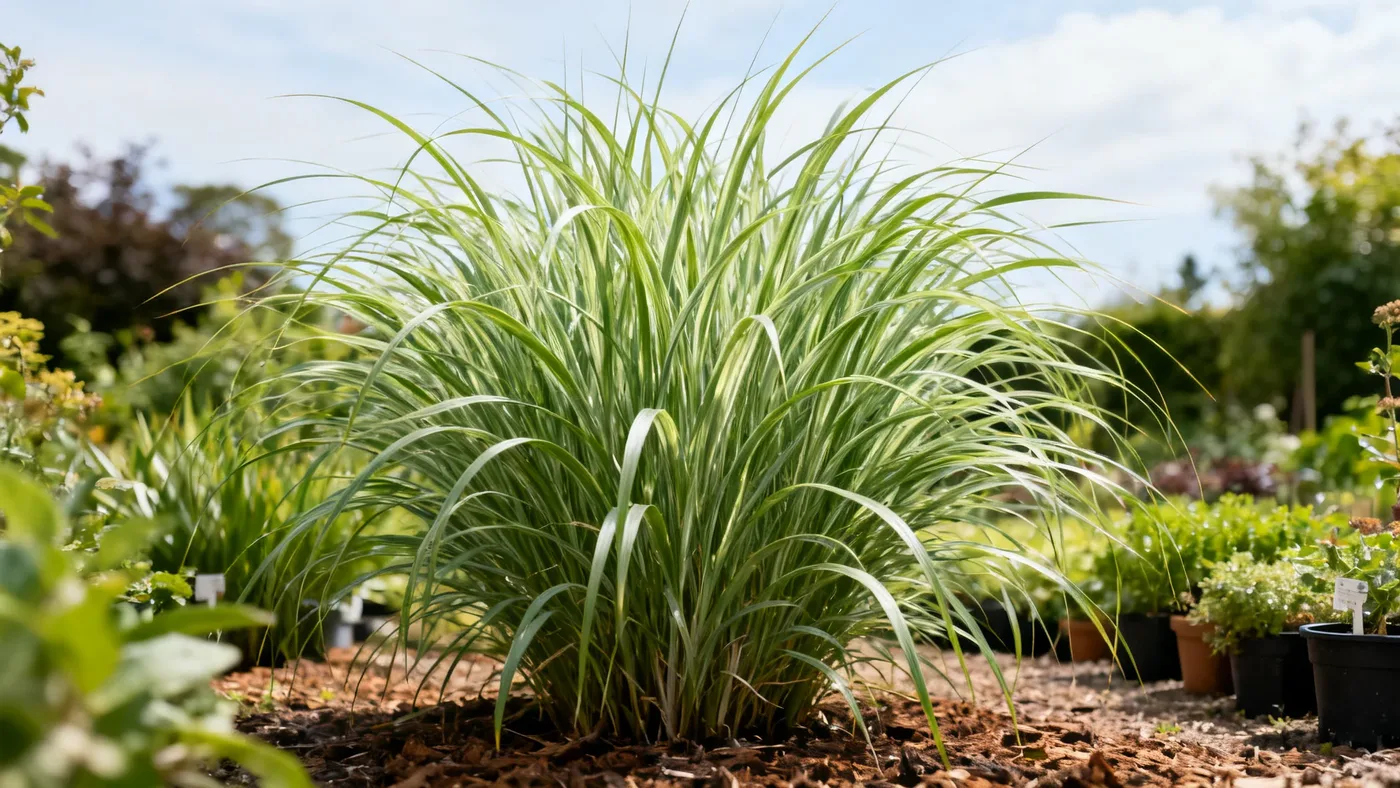
Do You Need to Fertilize Dwarf Maiden Grass? A Simple Guide
If you've just planted Dwarf Maiden Grass or are a few months into growing this attractive ornamental, you might wonder whether you need to feed it. The short answer: yes, but not in the way you might think. Dwarf Maiden Grass (Miscanthus sinensis, most commonly sold as 'Adagio') is a light feeder that thrives on minimal fertilizer. A single spring application of balanced, slow-release fertilizer is usually all your grass needs to perform beautifully. This guide walks you through exactly how and when to fertilize dwarf maiden grass so your clump grows dense, tall, and flowers reliably without becoming leggy or flopping over.
Does Dwarf Maiden Grass Need Fertilizer?
Yes, dwarf maiden grass benefits from fertilizer, but the key word is "light." Unlike nutrient-hungry perennials such as roses or daylilies, this grass is engineered by nature to thrive in modest soil conditions. It doesn't require heavy feeding. In fact, over-fertilizing can work against you.
A clump that receives too much nitrogen becomes soft, sprawling, and prone to flopping open, especially if it's grown in part shade rather than full sun. The plant's natural form is a tight, upright fountain of foliage 3 to 4 feet tall (or 4 to 5 feet when the coppery-pink plumes emerge in late summer into fall). Feed it too heavily, and you'll lose that compact, elegant profile.
The best approach is single annual application of a balanced, slow-release fertilizer in spring. This supplies steady nutrition throughout the growing season without triggering the overgrowth problem that comes from fast-release or high-nitrogen products.
Why Dwarf Maiden Grass is Different
Ornamental grasses occupy a different niche in the garden than conventional perennials. They evolved in grasslands and meadows where soil nutrients are naturally low and sporadic. Dwarf Maiden Grass adapts beautifully to a wide range of soil types: clay, sandy, loamy, even compacted earth. It's not demanding about soil pH either, performing well in soils between 5.5 and 7.5 (with 6.0 to 7.0 being ideal).
The grass reaches its full mature clump size in 2 to 3 years, expanding at a moderate rate of 1 to 2 feet of spread per year during its establishment phase. Once mature, it holds its shape at 2 to 3 feet wide and stops growing larger. A light annual feeding supports this steady growth without pushing the plant into a runaway growth spree.
Once established, after 1 to 2 growing seasons, Dwarf Maiden Grass develops high drought tolerance. It needs regular water only while young. This resilience extends to fertility as well. The grass can get by on less fertilizer than you might initially expect.
When to Fertilize Dwarf Maiden Grass
Timing matters for dwarf maiden grass fertilizer application. Spring is the window.
In USDA zones 5 to 9 (where this grass thrives), apply fertilizer after the last frost date in your region, when you see fresh green growth beginning to emerge from the plant's crown. This typically happens in April or May in northern zones, and as early as March in warmer southern regions. Don't fertilize in fall. Late-season feeding can stimulate new tender growth that won't harden off before winter, leaving you with frost damage or winterkill.
If you've just planted a new container-grown plant in spring, wait until the following spring to fertilize it. Young plants need time to establish roots in the soil. Fertilizing immediately at planting can stress them. Instead, water regularly until the plant is 3 to 4 months old, then apply fertilizer in its second spring.
What You'll Need
Fertilizing dwarf maiden grass requires just a few simple materials:
- Balanced, slow-release fertilizer. Look for products labeled with an NPK ratio of 10-10-10, 5-10-10, or similar. Avoid high-nitrogen formulas (where the first number is much larger than the others).
- Granular or pellet form (rather than liquid). Slow-release granules deliver nutrients steadily over weeks or months, reducing the risk of overfeeding. Examples include synthetic coated-polymer products or organic options like fish emulsion pellets or seaweed meal blends.
- Measuring spoon or scoop. The fertilizer bag will tell you how much to apply based on plant size or area. Use the scoop to measure accurately.
- Gardening gloves (optional but recommended). Most granular fertilizers are safe to touch, but gloves prevent dust inhalation and keep your hands clean.
- Watering can or hose. After applying dry fertilizer, a light watering helps it dissolve and reach the roots.
Step-by-Step Fertilizing Guide
Follow these steps to fertilize dwarf maiden grass correctly:
- Choose the right time. Wait until spring, after the grass has been cut back to 4 to 6 inches above ground in late winter or very early spring (before new growth emerges), and green shoots are visible. If you haven't pruned yet, do that first, then fertilize.
- Select your fertilizer. Purchase a balanced, slow-release product from your local garden center. Read the label to confirm the NPK ratio and the recommended application rate (usually given per square foot of garden bed or per plant). A 10-10-10 or similar balanced formula is ideal.
- Measure the correct dose. Most mature Dwarf Maiden Grass plants need 1/2 to 1 cup of granular fertilizer, depending on the product and the plant's size. Check the label. For a young plant in its first or second year, use the lower end of the range. Established mature clumps can use the full amount.
- Distribute the fertilizer evenly. Sprinkle the granules in a circle around the base of the plant, about 2 to 3 inches away from the crown (the center where the foliage emerges). Avoid piling fertilizer directly against the stems, as this can burn the plant. If you're fertilizing a mass planting of several grasses, spread the fertilizer in bands between the clumps.
- Water thoroughly. After applying the dry fertilizer, water the area with 1/2 to 1 inch of water (use a soaker hose or sprinkler for 30 to 60 minutes, or water by hand until the soil is visibly moist). This dissolves the slow-release coating and carries nutrients toward the root zone. The grass will begin absorbing nutrients within a few days.
- Repeat once yearly. One application in spring is usually sufficient. Do not fertilize again in summer or fall. If the plant looks pale or grows very slowly by mid-summer, a second light application in June is acceptable, but this is rarely necessary.
Common Mistakes to Avoid
Fertilizing too heavily or too often. This is the most common mistake. Over-fertilizing causes the grass to grow soft and sprawl open, losing its neat, upright form. It also makes the plant more attractive to pests and diseases. Stick to one annual spring application.
Using high-nitrogen fertilizers. Products labeled 20-10-10 or similar spike nitrogen levels and trigger lush leaf growth at the expense of flowers. Avoid lawn fertilizers; they're formulated for turf grass, not ornamentals, and are almost always too strong.
Fertilizing in fall. Late-season feeding can prompt new tender growth that won't survive winter. Wait until spring.
Fertilizing before the plant is established. Young plants from containers need time to settle in before they benefit from added fertility. Skip fertilizer in the first season after planting.
Piling fertilizer against the crown. Direct contact with concentrated granules can scald or burn the tissue where new growth emerges. Keep fertilizer 2 to 3 inches away from the plant's center.
Forgetting to water after application. Slow-release fertilizer must be moistened to activate. Dry granules sitting on the soil surface won't deliver nutrients effectively.
Expected Results
After fertilizing in spring, you should see steady improvements over the following weeks and months.
Within 2 to 3 weeks, the grass usually shows more vigorous green growth. Leaves will be slightly fuller and more robust than they would have been without fertilizer. The clump will expand at its normal moderate pace (1 to 2 feet of spread per year during establishment).
By late summer, when the plant transitions to flowering, you'll notice a more abundant display of blooms. The coppery-pink to silvery-white plumes will be fuller and slightly taller than they'd be on an unfertilized plant. The foliage will turn a richer golden tan to bronze in fall.
Over years, a well-fertilized clump (given one spring feeding annually) will develop into a large, stable specimen. It should reach its full mature size of 3 to 4 feet tall and 2 to 3 feet wide within 2 to 3 years. The plant can live productively for 10 or more years. If the center of very old clumps thins out, division every 3 to 4 years, combined with annual spring fertilizer, will keep plants vigorous.
One caveat: results depend on other care factors too. Dwarf Maiden Grass needs full sun (or light part shade, though full sun gives the best flowering). It needs average moisture and well-drained soil. Even with perfect fertilizing, a plant in heavy shade or waterlogged soil will underperform. Check the dwarf maiden grass care guide for complete growing requirements.
Quick Reference Checklist
| Task | Timing | Details |
|---|---|---|
| Prune (if needed) | Late winter / early spring, before new growth | Cut clump back to 4–6 inches above ground |
| Apply fertilizer | Spring, when green shoots emerge | 1/2–1 cup balanced slow-release (10-10-10 NPK) per mature plant |
| Distribute | Immediately after choosing dose | Circle the base 2–3 inches from crown; avoid direct contact with stems |
| Water | Right after fertilizer application | 1/2–1 inch of water to activate slow-release formula |
| Second application (optional) | June, only if plant looks pale or weak | Rarely needed; one spring feeding is usually sufficient |
| Avoid fertilizing | Summer, fall, and immediately after planting | Wait until the second spring after planting a new container plant |
| Avoid these products | Year-round | High-nitrogen formulas, lawn fertilizers, fast-release pellets |