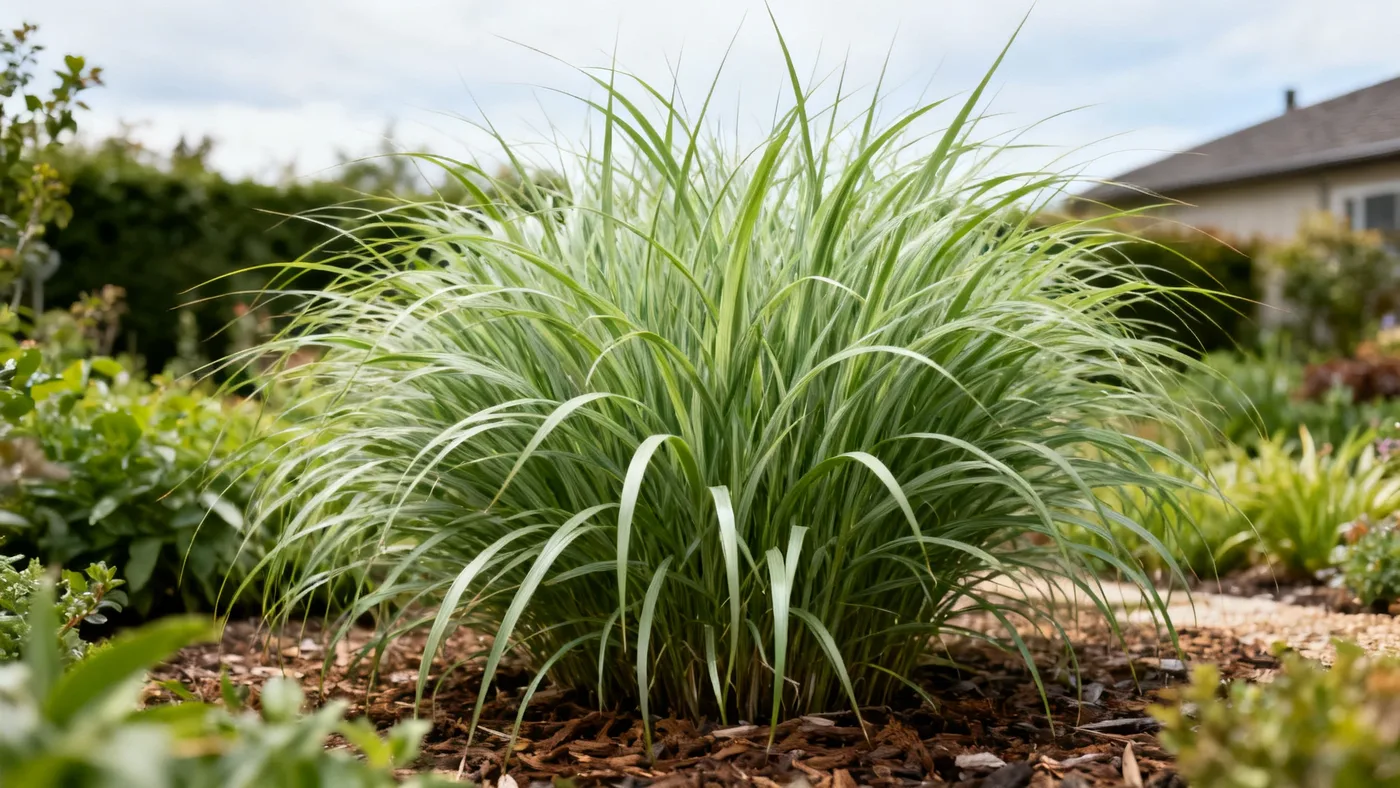
8 Common Dwarf Maiden Grass Problems and How to Fix Them
Dwarf Maiden Grass is a forgiving ornamental, but even hardy plants can hit snags. Whether your clump is flopping over, showing signs of disease, or emerging slower than expected, the fix is usually straightforward. Below are the eight most common issues we see in home gardens, what causes each one, and the practical steps to set things right.
1. Flopping or Splaying Open
The most frequent complaint we hear is Dwarf Maiden Grass splaying open or falling over by mid-summer. This typically means the plant is not getting enough direct sun or is planted in soil that is too rich and fertile. When a clump spreads outward instead of holding its compact fountain shape, it is struggling to stay upright because the stems are growing too soft and weak.
Full sun is non-negotiable for this grass. If your plant receives less than 6 hours of direct sun daily, it will lose its form. Similarly, heavily amended or nitrogen-rich soil encourages lush foliage that cannot support itself. Dwarf Maiden Grass prefers average soil and actually thrives in lean conditions.
Fix: Relocate the plant to a spot with full sun, or reduce fertility by top-dressing with plain compost (no fertilizer) during the next growing season. If the clump is already splayed, you can stake it loosely with a tomato cage or plant ring in late spring, which will hold the stems upright as they harden off.
2. Slow or Delayed Spring Emergence
Dwarf Maiden Grass is one of the last plants to green up in spring. It typically does not break dormancy until late April or May, even in zone 6, which can worry gardeners who think the plant has died over winter. This is completely normal. The grass needs soil temperatures to rise consistently before it sends up new shoots, and patience is the only cure.
One thing that does speed emergence is pruning at the right time. You should cut the entire clump back to 4 to 6 inches above ground in late winter or very early spring, before new growth appears. Pruning clears away dead foliage and allows the soil to warm faster around the base of the plant. Leave the cut stems standing until late February or early March in zone 5, or by April 1 in colder zones.
Fix: Do nothing except mark the plant's location so you do not accidentally remove it thinking it is dead. If you have not already pruned, cut it back now. Avoid the temptation to dig or disturb the crown. Emergence will follow within 3 to 4 weeks of pruning.
3. Mealybugs
Mealybugs are soft-bodied insects that appear as white, cottony clusters on stems and leaf bases. They feed on plant sap and are occasional pests on Dwarf Maiden Grass, particularly in humid conditions or when plants are crowded together. A light infestation may not cause visible damage, but heavy populations can stunt new growth and weaken the clump.
You will notice mealybugs most often in late summer and early fall, when they congregate near the base of the clump. They reproduce quickly in warm, sheltered spots, so air circulation is your first line of defense. If the plant is surrounded by other foliage, thin nearby plants to allow the breeze to flow through.
Fix: Spray the affected areas with a strong stream of water from a hose to dislodge the insects. If infestation persists, use a horticultural oil or insecticidal soap, following the product label. Prune out any heavily infested stems at the base. Most mealybug populations naturally decline after the first hard frost.
4. Scale Insects
Scale insects are armored pests that cling to stems and appear as small, brown, waxy bumps. Like mealybugs, they feed on plant sap, but they are less visible and harder to notice until populations grow large. An established scale colony will weaken a clump by draining its energy reserves.
Scale tends to show up on plants that are stressed by drought, poor drainage, or insufficient sunlight. Once a scale population takes hold, it can persist through winter inside the plant's stems. Early detection is key because scales are harder to treat once their waxy coat hardens.
Fix: Inspect stems closely in spring and summer. If you spot scales, prune out affected stems at the base. For widespread infestations, apply a dormant oil spray in late fall after cutting back the plant, or use a horticultural oil in early spring before new growth emerges. Ensure the plant receives full sun and average (not wet) soil moisture to reduce stress.
5. Rust
Rust appears as orange, reddish, or yellow powdery spots on the underside of leaves, sometimes with matching spots on the upper surface. It is a fungal disease that thrives in warm, humid conditions, especially when leaves stay wet overnight. Rust rarely kills Dwarf Maiden Grass outright, but it can reduce the vigor of the plant and make foliage look shabby.
The disease spreads through water droplets and spores, so overhead watering during the cool hours of early morning or evening increases the risk. If your climate is naturally humid or your garden sits in a low-lying area that traps moisture, rust is more likely to appear.
Fix: Improve air circulation by thinning nearby plants and pruning lower stems to allow air to flow around the base. Water at soil level, not from above, and only in the morning so any splashes dry quickly. If rust appears, remove affected leaves by hand or prune infected stems. For severe infestations, apply a sulfur-based fungicide or neem oil, following the label. Rust typically wanes as temperatures rise or humidity drops.
6. Leaf Blight and Leaf Spot
Leaf blight and leaf spot diseases are caused by various fungi and bacteria and show up as small, dark, water-soaked lesions on the foliage. These spots can merge into larger patches that turn yellow or tan and eventually die off. Like rust, these diseases thrive in prolonged wet or humid conditions, particularly when the plant is overcrowded or the soil drains poorly.
You are most likely to see leaf spot in mid to late summer after a stretch of rainy weather. The lesions start small and expand over a few weeks. While not immediately fatal, severe leaf spot reduces photosynthesis and can stress the plant heading into winter.
Fix: Remove affected leaves by pruning them off at the base or pinching them out by hand. Ensure the plant sits in full sun and has room for air circulation. Water only at the soil level and avoid wetting foliage. If the disease persists into fall, you can prune the entire clump back 4 to 6 inches above ground in late winter; new spring growth will emerge disease-free. Avoid high-nitrogen fertilizers, which promote tender new growth that is more susceptible to infection.
7. Turning Brown or Tan (Premature Color Change)
If your Dwarf Maiden Grass is turning brown or tan in mid-summer instead of holding green foliage until fall, something is stressed. The plant's natural color is golden tan to bronze only in late autumn after a frost. Brown foliage earlier than September suggests the clump is dealing with heat stress, poor drainage, or insufficient water during a dry spell.
Once established (after 1 to 2 growing seasons), Dwarf Maiden Grass has moderate drought tolerance. However, it still needs regular water during the first year and during extended dry periods. Overly wet soil or poor drainage can also trigger browning by causing root rot. The plant prefers well-drained soil and will decline in boggy spots.
Fix: Check soil moisture by pushing a finger 2 inches into the ground near the base. If it feels bone-dry, water deeply at the soil level and consider adding a 2-inch layer of mulch to retain moisture. If soil is waterlogged, improve drainage by amending with compost or sand, or relocate the plant to higher ground. Ensure the plant receives at least 6 hours of direct sun daily. Brown tips or edges may take several weeks to green up once conditions improve, so patient observation is needed.
8. Self-Seeding and Spread Beyond Intended Boundaries
Dwarf Maiden Grass can self-seed into nearby areas in warmer zones (8 and 9 are highest risk). This is not a pest or disease, but rather a management issue. In the plant facts, we note that Miscanthus sinensis cultivars are listed as invasive or a species of concern in parts of the eastern, mid-Atlantic, and southeastern US. Before planting, check your state or regional invasive plant lists to see if Dwarf Maiden Grass is flagged in your area.
If you are in a zone where self-seeding is a concern, you have two options: deadhead the flower plumes in late fall before seeds drop, or remove young seedlings as they appear in surrounding beds or lawn. The degree of invasiveness varies by cultivar (some are more sterile than others), and this information is not always disclosed at the generic "Dwarf Maiden Grass" trade-name level. Communicating with your nursery about which cultivar you are buying (Adagio, Yaku Jima, or another compact selection) may clarify the risk.
Fix: In zones 5 to 7, this is rarely an issue. In zones 8 to 9, monitor the area around your plant in late fall and early winter. Cut the seed heads off before they fully mature and dry, or hand-pull any seedlings that emerge in unwanted spots. Keep in mind that the dried plumes are ornamental and provide winter interest, so complete deadheading will sacrifice some visual appeal.
Quick Reference: Dwarf Maiden Grass Problem Solver
| Problem | Signs | Cause | Fix |
|---|---|---|---|
| Flopping or splaying | Clump spreads outward; stems fall over by mid-summer | Insufficient sun or overly rich soil | Move to full sun or reduce fertility; use support cage if needed |
| Slow spring emergence | No new growth by late April | Cool soil temperature; normal for this grass | Prune in late winter to 4-6 in.; wait for soil warmth |
| Mealybugs | White cottony clusters on stems and leaf bases | Crowding; poor air circulation | Spray with water or horticultural oil; thin nearby plants |
| Scale insects | Small brown waxy bumps on stems | Plant stress from drought or poor drainage | Prune affected stems; apply dormant oil in fall or early spring |
| Rust | Orange or yellow powdery spots on underside of leaves | Warm, humid conditions; overhead watering | Improve air flow; water at soil level only; prune infected leaves |
| Leaf blight or leaf spot | Dark water-soaked lesions that expand; yellow or tan patches | Wet foliage; poor air circulation; prolonged humidity | Remove affected leaves; improve drainage and air flow; avoid overhead water |
| Turning brown prematurely | Brown or tan foliage in mid-summer (not fall) | Drought stress, poor drainage, or insufficient sun | Water deeply; ensure full sun; improve soil drainage if waterlogged |
| Self-seeding (zones 8-9) | Young seedlings appearing in nearby beds or lawn | Seeds dropping in warmer climates | Deadhead plumes in late fall or hand-pull seedlings |
For more care guidance, see our Dwarf Maiden Grass care guide, which covers planting, watering, fertilizing, and seasonal pruning in depth.